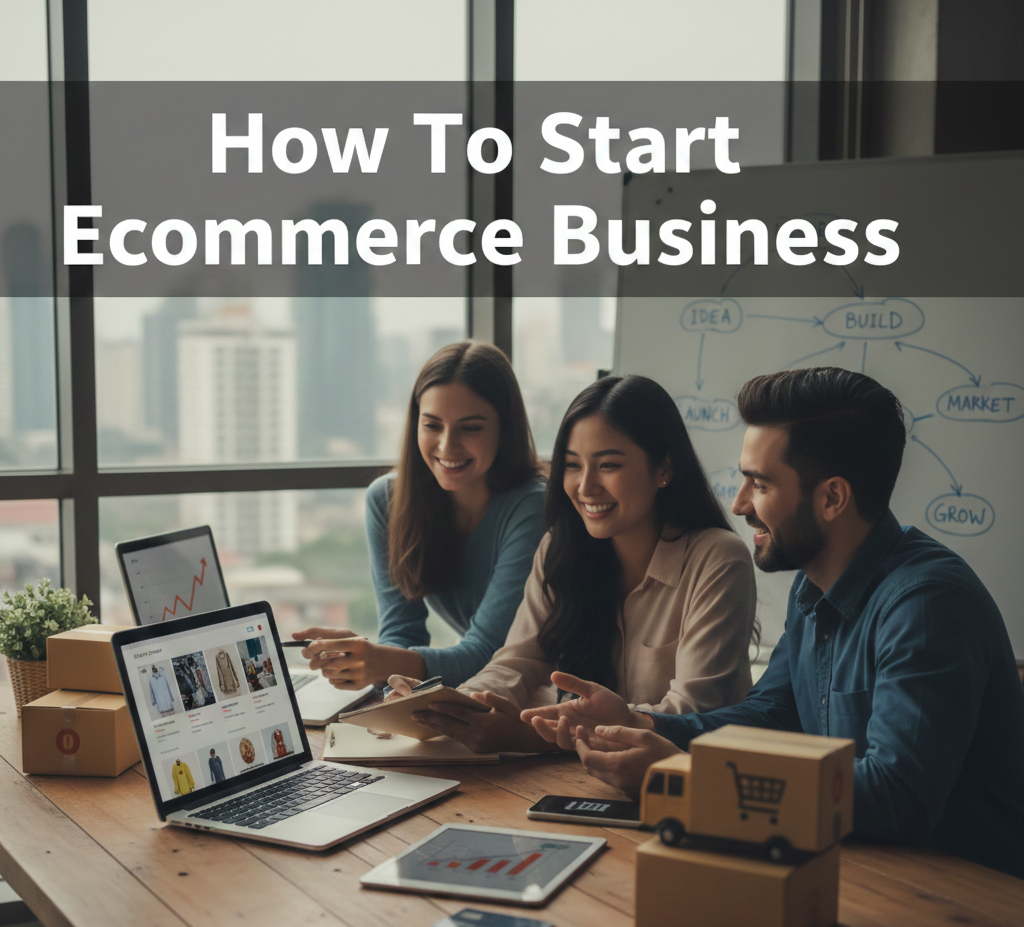

Honestly, starting an online business sounds big, right? Like some huge mountain you need to climb with no map, no water, and maybe one broken shoe. But the best part? Most people who get started in an ecommerce business have no idea how to get started. All they do is take small steps, then another, and some confused steps. Somehow, things started to work.
This blog is for people like that. People who want to start a business but have no idea where to begin. People who think, “What if I mess everything up?” It is normal to mess up things, and that’s fine. It’s kind of part of the journey.
Starting an ecommerce business doesn’t require magic or perfect planning. It just needs you, some patience, and the courage to click “begin.” Consider this a friendly guide, not too serious or professional, just real steps explained in a way that actually makes sense. So, let’s get started with all the details.
Steps to Start an Ecommerce Business
Getting started with an online store can feel messy. Too many ideas, too many products, too many “how do I even start?” moments. But it doesn’t have to be. Here, we have outlined steps to help you have a real plan in your hands.
Step 1: Choose Something You Really Like
Okay, first things come first. What are you even selling? Clothes? Hats? Some random gadget? Doesn’t matter. The point is you should actually like it. If you love it, it’ll show, and people will notice.
Take a small start. Don’t stress about having 50 products on day one. Pick 2 or 3 things. See how people react. Try only one thing, mess it up, then fix it, and then try again. This is how it goes. You can make a small table for yourself to see what feels right:
| Product Idea | Do I Like It? (1-5) | Easy to Sell? (1-5) | Notes
|
| T-shirts | 5 | 4 | People always need them |
| Caps | 4 | 5 | Easy to ship |
| Mugs | 3 | 3 | Niche, but fun |

Step 2: Know Who You’re Selling To
Alright, so you picked your product. Now, decide who it is for? This part trips up a lot of people. They think they need a huge research report. Just think about real people. Who would actually buy what you’re selling?
Ask yourself simple questions:
- Are they young or old?
- Do they like flashy things or simple stuff?
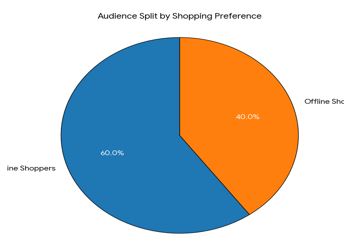
- Where do they usually shop? Online, in stores, or both?
You can even make a tiny sketch or doodle of your “ideal customer.” Doesn’t need to be perfect. Just a stick figure with some notes like age, favorite colors, whatever.
Step 3: Give Your Store a Name That Makes Sense
Okay, you have your product now. You know who you’re selling to. Now, what do you call your store? It doesn’t have to be fancy or look like a designer brand. Just something people can remember and type into Google without thinking too hard.
| Name Idea | Easy to Remember? | Fits the Product? | Notes
|
| CozyCaps | Yes | Yes | Short, cute |
| TrendyThreads | Maybe | Kind of Might be | too broad |
| SimplyStuff | Yes | Yes | Works for many |

Step 4: Make a Plan for Your Business
So, now is the time to get a little organized. Don’t overthink; it doesn’t have to be some big, boring report. Just a few notes about how you want things to go. Here’s where business plan writing services can actually help if you feel lost. They can guide you on costs, pricing, and the steps to launch. But even a rough personal plan works too.
Write down:
- What you’re selling
- Who you’re selling to
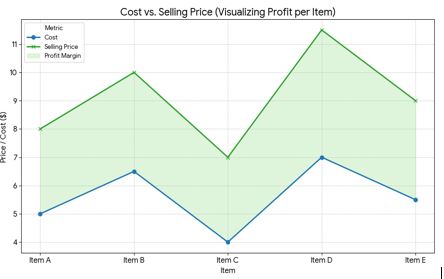
- How much does it cost to make
- How much will you sell it for
- How people will find your store
Step 5: Set Up Your Online Store
Now comes the fun part, which is your actual store. Don’t worry, you don’t need to be a tech genius. There are some platforms that make all this super simple and easy. Consider it like setting up a small shop, but on an online platform.
Choose a platform that feels comfortable. Some are drag-and-drop. Some need a tiny bit of learning. Either way, start small because you can always improve later.
Things to focus on first:
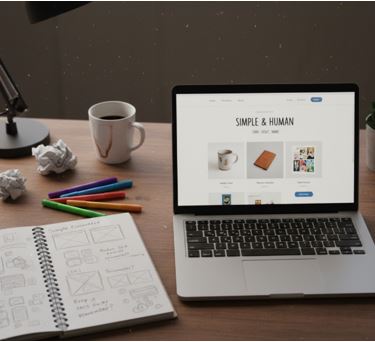
- A clean homepage
- Photos of your products (real photos work best)
- Easy navigation so people don’t get lost
| Platform | Ease of Use | Cost | Notes
|
| Shopify | 5/5 | Medium | Lots of guides and templates |
| WooCommerce | 4/5 | Low | Needs WordPress basics |
| Wix eCommerce | 4/5 | Medium | Drag-and-drop simplicity |
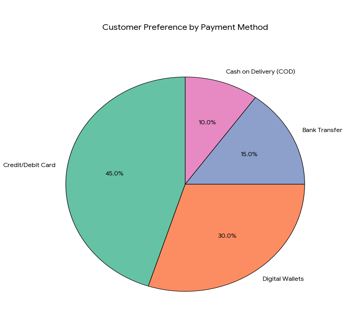
Step 6: Sort out Payments and Shipping
Okay, your store looks nice. Your products are listed. Now, how do people actually buy stuff? And how does it get to them?
You need two simple things:
- A way to accept payments online. Think credit cards, PayPal, or local payment methods.
- A way to deliver products. Could be courier, postal service, or delivery apps.
- Don’t think too much. Take a start with what is reliable and easy. You can always improve later.
| Payment Method | Easy to Set Up? | Fees | Notes
|
| Credit Card | Yes | Medium | Works everywhere
|
| PayPal | Yes | Medium | Quick and trusted |
| Cash on Delivery | Medium | Low | Good for local customers
|
Step 7: Show off Your Products
Alright, so people can buy your stuff. But now they need to see it. Pictures matter a lot. You don’t need professional photography; it helps a lot. Just clean, clear, real photos. Show your product from different angles. Show it in use and make it feel like someone is holding it, wearing it, or using it.
| Photo Type | Why It Matters |
| Front view | People see what it looks like |
| Side view | Shows shape and size |
| In use | Helps customers imagine using it |
| Close-up detail | Shows quality and material |

Step 8: Make a Small Plan for Marketing
Okay, so your store exists, and your products look nice. But wait, how will people find you? You don’t need a huge marketing team. Just a clothing apparel business plan writing service, or even a small, simple plan, can help you figure out where to start. Think of it as social media, word of mouth, small ads, friends sharing posts, and stuff that actually works.
Write down a few things:
- Where will you post your products? Instagram, TikTok, Facebook?
- Who can help share your store? Friends, family, small influencers?
- What simple message will tell people why they should care?
| Marketing Channel | How Often | Notes |
| 3 times/week | Use stories and posts | |
| 2 times/week | Boost posts occasionally | |
| WhatsApp groups | Once/week | Share with friends/family |

Step 9: Keep Track of Everything
Okay, so your store is live, products are listed, and people might even be buying. But now pay attention. You need to understand what is selling, what is not, and what people like.
Write down things like:
- Which products sell fastest
- Where most of your traffic comes from
- How many people actually buy after visiting

Step 10: Keep Improving and Don’t Give Up
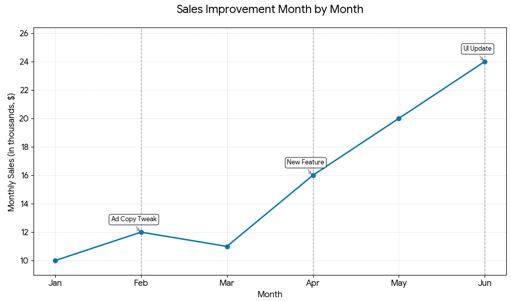
Your store will never be perfect on day one. Photos will need retaking. Prices might feel too high or too low. Some products won’t sell at all. That’s fine because it happens to everyone.
The key is to keep trying, keep learning, and keep improving. Pay attention to what people like, listen to feedback, and make small changes every week.
It’s a Wrap
Getting started with an online store can feel scary. But in essence, it is just a series of small steps. Choose something that you like. Think about your target audience who would want it. Set up a simple store, take some good pictures, and let people know it is out there.
Don’t worry about doing things perfectly because mistakes happen. Just understand what works, fix what doesn’t, and keep going. Even if you sell one thing today or make one customer happy with your service, all that counts.