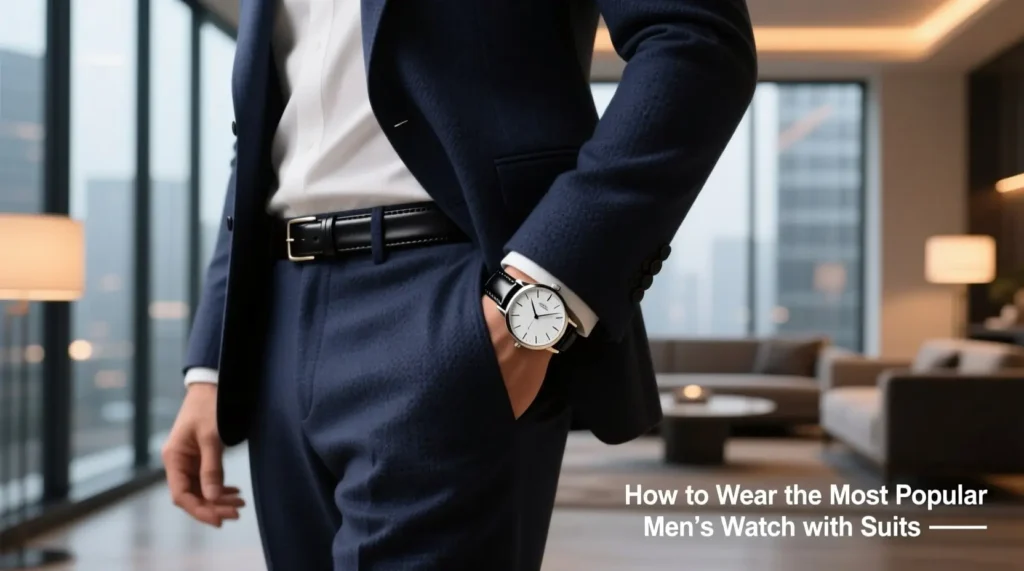

Wearing a watch with a suit seems simple enough. But get it wrong, and your entire look feels off. The good news? Once you understand a few basic rules, matching your timepiece to formal wear becomes second nature. Whether you own the most popular men’s watch styles, like a classic dress watch or a sporty chronograph, knowing how to pair it correctly makes all the difference. A well-chosen watch completes your outfit. It shows attention to detail and personal style without saying a word.
Understanding Watch Types and Suit Pairings
Before you strap on any watch with your suit, you need to know what kind of watch works best for different occasions. Dress watches are thin, simple, and understated. They slide easily under shirt cuffs and look clean with formal attire. These typically feature leather straps and minimal dials.
Sport watches and dive watches are bulkier. They have larger cases and often come with metal bracelets. While these can work with suits in casual settings, they might feel out of place at a black tie event.
Chronographs fall somewhere in the middle. They have stopwatch functions and extra sub-dials. A sleek chronograph can look great with a business suit, especially in navy or charcoal.
The key is matching the formality of your watch to your outfit. A simple rule works well here. The more formal the occasion, the simpler your watch should be.
Choosing the Right Watch Size for Your Suit
Watch size matters more than most men realize. A huge watch face might look impressive on its own. But pair it with a tailored suit, and suddenly your wrist becomes the loudest thing in the room.
For suits, aim for a case diameter between 38mm and 42mm. This range fits most wrist sizes without overwhelming your look. Anything larger starts creeping into casual territory.
Thickness is equally important. A slim profile means your watch sits comfortably under your shirt cuff. You want the watch to peek out, not push against the fabric. If your cuff buttons feel tight because of your watch, it’s probably too thick for formal wear.
Selecting the Most Popular Men’s Watch Strap for Formal Occasions
The strap or bracelet you choose changes everything about how your watch looks with a suit. Leather straps remain the classic choice for formal settings. Black leather works with charcoal and black suits. Brown leather pairs beautifully with navy, tan, and earth tones.
Match your leather strap to your shoes and belt. This old school rule still holds up. When your accessories coordinate, your whole outfit looks intentional rather than thrown together.
Metal bracelets can work with suits too. A stainless steel bracelet in a simple design looks sharp with grey or navy suits. Just avoid chunky or overly sporty bracelets. They tend to clash with the refined nature of tailored clothing.
NATO straps and rubber bands should stay home when you’re dressing up. Save those for weekends and casual Fridays.
Color Coordination Tips
Getting colors right pulls your whole look together. Start with your suit color and work backward.
Navy suits offer the most flexibility. They pair well with brown leather, blue dials, white dials, and even subtle gold tones. Charcoal suits look best with black or dark grey straps and silver cases. Black suits, typically reserved for very formal events, demand simple watches with black straps and white or black dials.
Your watch dial color matters too. White and cream dials are traditional and safe for any formal setting. Blue dials have become increasingly popular and work great for business environments. Black dials offer versatility but can feel slightly less formal than white.
Avoid bright colors, busy patterns, or flashy designs when wearing suits. Your watch should complement your outfit, not compete with it.
Where Your Watch Should Sit
Most men wear their watch on the left wrist. This tradition comes from the fact that most people are right handed. Wearing a watch on your non-dominant hand protects it from damage during daily activities.
Position matters too. Your watch should sit just above your wrist bone, where your hand meets your arm. It shouldn’t slide down toward your hand or ride up near your elbow.
When wearing a suit, your watch should be mostly hidden by your shirt cuff. Just a glimpse should show when you move your arm naturally. If your entire watch face is always visible, your sleeves might be too short.
Common Mistakes to Avoid
Some errors pop up again and again. Wearing a smartwatch with a formal suit is one. While smartwatches are practical, most look out of place with traditional business attire.
Another mistake is choosing the wrong metal tone. If your suit has gold buttons or you’re wearing gold cufflinks, a silver watch can clash. Try to keep your metals consistent.
Wearing a diving watch with a tuxedo is another common slip. That rotating bezel and chunky case belong at the beach, not at formal dinners.
Finally, avoid brand obsession. An expensive watch worn poorly looks worse than an affordable watch worn correctly.
Final Thoughts on Watch and Suit Pairing
Matching a watch to your suit doesn’t require expert knowledge. It just takes a bit of thought. Consider the occasion, check your colors, and make sure your watch fits properly. Whether you own the most popular men’s watch on the market or a vintage piece from your grandfather, the same principles apply. Keep it simple, pay attention to details, and let your watch be a quiet statement of your personal style. When done right, your watch and suit work together perfectly. They create a polished look that feels natural and effortless.