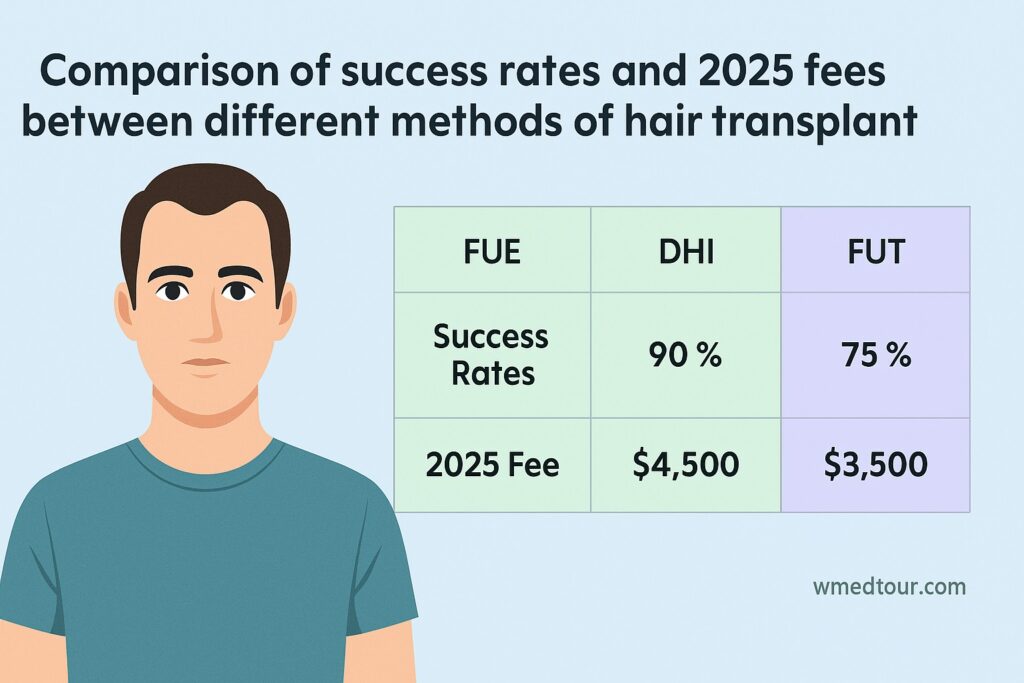

A hair transplant does not succeed by luck. Clinics love to quote high success percentages, but numbers alone do not grow hair. Success depends on a chain of decisions, starting long before surgery and continuing well after recovery.
This article explains the real factors that decide hair transplant success rate, using medical logic, clinical evidence, and practical experience. If you are researching hair transplant surgery, visiting a hair transplant clinic, or considering options like hair transplant Lahore, this guide gives you clarity without hype.
What Does “Hair Transplant Success Rate” Actually Mean?
Success rate does not mean how many grafts survive on paper. It means:
-
Natural appearance
-
Healthy growth
-
Long-term stability
-
Patient satisfaction
A technically “successful” surgery can still disappoint if planning ignores future hair loss.
Trusted sources:
International Society of Hair Restoration Surgery (ISHRS)
American Academy of Dermatology (AAD)
Average Hair Transplant Success Rates (Reality Check)
When performed correctly, modern hair transplant surgery shows 90–95% graft survival in suitable candidates.
This figure comes from long-term clinical studies, not marketing brochures. However, survival rate alone does not guarantee visual success.
Density, angle, and distribution matter just as much.
Source: ISHRS Clinical Outcome Reports
Factor 1: Surgeon Skill and Experience
Surgeon expertise stands as the most important success factor.
An experienced surgeon:
-
Designs natural hairlines
-
Handles grafts gently
-
Preserves donor density
-
Plans for future hair loss
Inexperienced work may show initial growth but fail visually over time. Skill matters more than equipment or advertising.
Factor 2: Donor Area Quality
Hair transplant surgery relocates hair—it does not multiply it.
Strong donor areas provide:
-
Thick follicles
-
Hormone-resistant hair
-
Long-term stability
Weak or overharvested donor areas limit success permanently. Ethical clinics assess donor density carefully before surgery.
Factor 3: Hair Loss Pattern and Stability
Stable hair loss produces better outcomes.
Patients with ongoing aggressive hair loss often experience:
-
Thinning around transplanted areas
-
Unbalanced density
-
Need for future correction
Doctors usually recommend stabilizing hair loss before surgery to improve success rate.
Source: American Academy of Dermatology Hair Loss Guidelines
Factor 4: Surgical Technique Used
FUE and FUT both deliver high success when performed correctly.
However:
-
Poor extraction damages follicles
-
Incorrect placement affects growth direction
-
Improper depth reduces blood supply
Technique quality matters more than technique choice.
Factor 5: Graft Handling Time
Hair follicles remain delicate living tissue.
Successful clinics:
-
Minimize time outside the body
-
Maintain hydration
-
Control temperature
Prolonged exposure damages graft survival. This detail often separates top clinics from average ones.
Source: Journal of Cutaneous and Aesthetic Surgery
Factor 6: Post-Surgery Care by the Patient
Even the best surgery fails with poor aftercare.
Patients who follow instructions:
-
Protect grafts during healing
-
Reduce infection risk
-
Support healthy growth
Ignoring care guidelines increases shock loss and slows recovery.
Success remains a shared responsibility.
Factor 7: Clinic Standards and Team Quality
A professional hair transplant clinic invests in:
-
Trained assistants
-
Sterile operating rooms
-
Proper graft storage systems
Clinics that delegate critical steps to untrained technicians reduce success predictability.
Patients should ask who performs each step—not just who owns the clinic.
Hair Transplant Success in Lahore: What Influences Outcomes?
Patients seeking hair transplant Lahore services often compare prices first. Price matters, but success depends more on:
-
Surgeon training
-
Ethical planning
-
Clinic regulation
Lahore offers both high-quality centers and poorly regulated setups. Due diligence protects results.
Does Age Affect Hair Transplant Success Rate?
Yes, but not how many think.
Younger patients:
-
Heal faster
-
Have stronger donor hair
-
Face ongoing hair loss risk
Older patients:
-
Have stable hair patterns
-
Heal slightly slower
-
Often achieve predictable results
Doctors evaluate biological age, not just calendar age.
Role of Medical Support After Surgery
Supporting treatments may improve overall success:
-
Medical therapy for native hair
-
Nutritional guidance
-
Scalp care protocols
These measures protect surrounding hair, not transplanted follicles, but they enhance cosmetic results.
Common Myths About Hair Transplant Success
❌ One surgery guarantees lifetime perfection
❌ Success depends only on graft count
❌ All clinics achieve the same results
None of these claims holds scientific support.
How to Increase Your Own Success Chances
Patients can actively improve outcomes by:
-
Choosing experienced surgeons
-
Avoiding unrealistic expectations
-
Following aftercare strictly
-
Planning long-term hair strategy
Success improves when logic guides decisions.
When Hair Transplant Results Disappoint
Disappointment often stems from:
-
Poor planning
-
Overharvesting
-
Aggressive marketing promises
-
Ignoring future hair loss
Corrective surgery can help, but it costs more than doing it right initially.
Final Thoughts: Success Is a Process, Not a Percentage
Hair transplant success rate reflects planning, execution, and care, not just numbers. Clinics that explain risks honestly usually deliver better results than those selling guaranteed outcomes.
Smart patients ask better questions. Ethical clinics give clearer answers. Search engines trust content rooted in clarity—and so do readers.
Trusted Medical References
-
International Society of Hair Restoration Surgery (ishrs.org)
-
American Academy of Dermatology (aad.org)
-
Dot Clinics
-
Journal of Cutaneous and Aesthetic Surgery