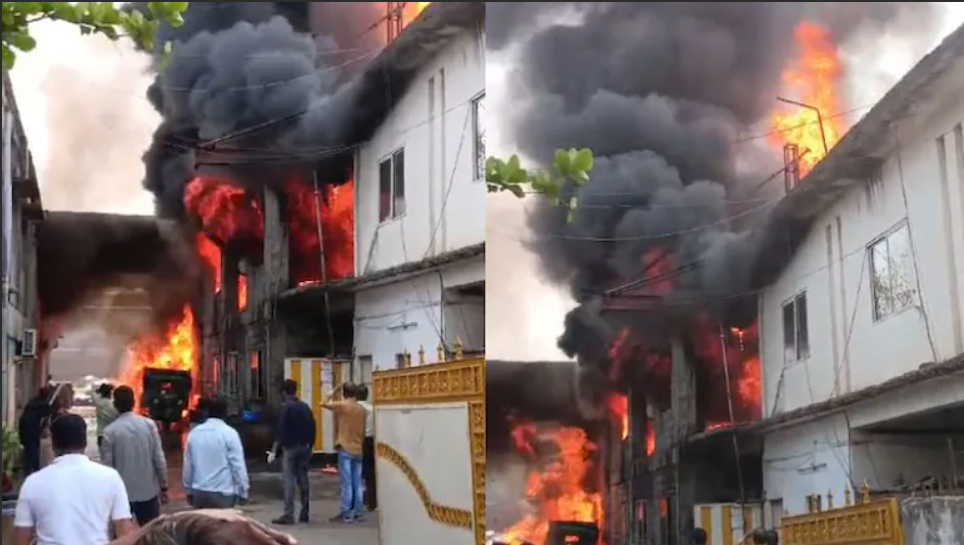

Factory fires rarely begin with flames. They start quietly, often inside electrical rooms that are treated as low-risk spaces once installed. Industry data and investigation reports consistently show that a significant portion of industrial fires originate from electrical faults, making electrical rooms one of the most overlooked risk zones.
This is why a Safety audit for factories must go beyond visible shop-floor hazards and examine electrical infrastructure with the same seriousness as production machinery.
Electrical rooms are silent risk accumulators. When neglected, they become ignition points capable of shutting down entire operations within minutes.
Why Electrical Rooms Are High-Risk but Low-Attention Areas
Electrical rooms are usually restricted areas accessed only by maintenance staff. Because they are not part of daily production activity, they receive less attention from supervisors and safety teams.
Once panels are installed and power is running, these rooms are often assumed to be safe by default. Over time, however, operational changes increase electrical load while maintenance discipline weakens. This combination quietly raises fire risk without obvious warning signs.
Unlike mechanical failures, electrical faults do not announce themselves until damage is already done.
Overloading Due to Production Expansion
One of the most common causes of electrical room fires is load expansion without system upgrades.
Factories add new machines, increase shift hours, or modify processes, but the electrical distribution system often remains unchanged. Panels and cables that were designed for lower loads begin operating near or beyond their limits.
Overheating due to overloading degrades insulation, loosens connections, and increases resistance. These conditions generate heat internally, creating ignition sources that remain invisible during routine visual checks.
Loose Connections and Improper Terminations
Electrical fires frequently originate from loose cable terminations inside panels.
Vibration from machinery, thermal expansion, and poor installation practices cause connections to loosen over time. Loose joints create high resistance points, leading to localized heating.
Because this heating occurs inside enclosed panels, it often goes unnoticed until insulation fails or a spark ignites surrounding material. Many post-incident investigations trace fires back to joints that were never retightened after commissioning.
Dust, Oil Vapors, and Contamination
Electrical rooms in industrial environments are rarely as clean as intended.
Dust, fiber particles, oil vapors, and chemical residues enter panels through open cable entries, damaged seals, or poor housekeeping. These contaminants settle on live components and act as fuel when overheating occurs.
In certain industries, conductive dust further increases the risk of short circuits. This combination of contamination and heat creates ideal fire conditions that develop slowly but escalate rapidly.
Aging Electrical Infrastructure
Electrical systems age even when they appear functional.
Insulation materials degrade over time due to heat cycles, humidity, and environmental exposure. Older breakers may fail to trip at designed thresholds. Outdated protection systems may not detect modern fault patterns.
Factories operating with aging infrastructure often assume reliability because failures have not yet occurred. Unfortunately, electrical fires are often the first visible sign of long-term degradation.
Inadequate Preventive Maintenance Practices
Many factories rely on reactive maintenance rather than preventive inspection.
Panels are opened only after a failure occurs. Thermography, torque checks, insulation resistance testing, and load balancing are either irregular or absent.
Maintenance teams may focus on restoring power quickly rather than investigating root causes. This allows underlying issues to persist, increasing the probability of future fires.
Fire Protection Gaps in Electrical Rooms
Even when electrical rooms are identified as high-risk, fire protection is often inadequate.
Common gaps include incorrect fire extinguisher types, lack of automatic detection, blocked access, and absence of compartmentation. In some cases, water-based suppression systems increase damage risk rather than control fire effectively.
Without early detection and appropriate suppression, small electrical faults escalate into full-scale fires before intervention is possible.
Why These Risks Are Missed During Routine Inspections
Routine inspections often focus on visible compliance rather than internal conditions.
Panels may appear intact from the outside while internal components overheat. Load changes may not be documented. Temporary electrical additions may become permanent without review.
This gap between appearance and reality is why many electrical room fires surprise management teams. The risk existed long before the incident occurred.
Role of Structured Safety Audits in Preventing Electrical Fires
A structured safety audit evaluates electrical rooms as dynamic risk zones rather than static installations.
It examines load distribution, maintenance records, environmental conditions, protection systems, and change management practices. More importantly, it connects electrical safety to production growth and operational behavior.
By identifying early warning signs such as uneven loading, overheating patterns, contamination, and aging components, audits allow corrective action before ignition occurs.
Business Impact of Electrical Room Fires
Electrical room fires cause disproportionate damage compared to their point of origin.
They often result in extended shutdowns, equipment loss, data damage, insurance disputes, and regulatory scrutiny. Recovery time can span weeks or months, far exceeding the cost of preventive controls.
For factories operating on tight delivery schedules, a single electrical fire can disrupt customer relationships and long-term credibility.
Things To Remember When Entering The Electrical Rooms
Electrical rooms are not passive infrastructure spaces. They are active risk zones that evolve with production demands, maintenance quality, and environmental exposure.
The high percentage of factory fires originating from electrical faults is not a coincidence but a result of systematic neglect. Recognizing these invisible sparks and addressing them through structured evaluation and maintenance is essential for fire prevention.
Factories that treat electrical safety as an ongoing process rather than a one-time installation significantly reduce the likelihood of catastrophic fire incidents and operational disruption.