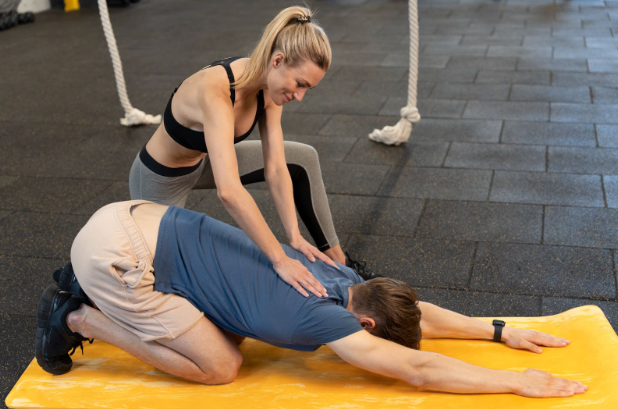

The National Disability Insurance Scheme (NDIS) offers various supports for people with disabilities to enhance their quality of life, independence, and overall wellbeing. Within this framework, an NDIS exercise physiologist is a university‑qualified allied‑health professional trained to deliver specialised, clinical exercise interventions for individuals with disabilities or long‑term health conditions.
Unlike standard fitness trainers, NDIS exercise physiologists come from a clinical background: they hold a recognised qualification (typically a four‑year degree), and are accredited under professional bodies such as Exercise & Sports Science Australia (ESSA). This equips them to design evidence‑based, safe, and effective exercise programs tailored to each participant’s unique needs and limitations.
Their role under NDIS involves assessing physical function, understanding mobility or health challenges, prescribing customised exercise plans, and monitoring progress — all with the aim of improving physical capacity, functional independence, and overall health and wellbeing.
What Services Do NDIS Exercise Physiologists Provide?
An NDIS exercise physiologist delivers a broad range of supports, depending on the individual’s needs and goals. Some of the key services include:
- Functional assessment and planning: At the start, the physiologist will review current mobility, strength, coordination, health history, and other relevant factors to understand limitations and potential.
- Individualised exercise programs: Based on assessment, they design tailored exercise regimens — targeting strength, balance, mobility, flexibility, posture, endurance, coordination, and more.
- Support for daily living & independence: Exercises may help improve capacity for everyday tasks — like walking, transfers (bed, shower, car), home chores — thereby increasing independence.
- Chronic condition management & rehabilitation: For participants with chronic diseases, neurological conditions, injuries or disabilities, exercise physiology can assist in rehabilitation, managing symptoms, improving mobility, reducing pain or risk, and improving general health.
- Mental health and wellbeing support: Exercise physiologists also consider mental health — exercises may help reduce anxiety or depression, improve sleep, boost self‑esteem and overall wellbeing.
- Education and lifestyle advice: Beyond prescribing exercises, they educate participants (and sometimes carers) about safe movement, posture, injury prevention, healthy lifestyle choices, and strategies for long‑term wellbeing.
- Flexible delivery modes: Support can be given at home, in community gyms, via telehealth, or in other accessible settings — depending on needs and accessibility.
Who Qualifies for NDIS Exercise Physiology?
Access to NDIS exercise physiology services is generally available to people who are eligible for NDIS funding and have a documented disability, long-term health condition, or significant functional impairment. Participants must meet NDIS access criteria, which typically include:
- Being an Australian citizen or permanent resident.
- Having a permanent or significant disability that affects daily functioning.
- Demonstrating that they require support for independence, mobility, participation in the community, or overall wellbeing.
Within these criteria, an NDIS exercise physiologist can be included in a participant’s NDIS plan if exercise physiology services are considered reasonable and necessary for achieving goals related to independence, mobility, and functional capacity. This may include children and adults with physical, neurological, or intellectual disabilities.
NDIS plans are individualised, so the exact scope and funding of exercise physiology services can vary. Plans may include short‑term intensive interventions, ongoing programs, or periodic assessments depending on the participant’s goals, current condition, and therapist recommendations.
Benefits of NDIS Exercise Physiology
Engaging an NDIS exercise physiologist can provide several measurable benefits for participants, including:
- Improved mobility and balance: Tailored exercises improve muscle strength, flexibility, and coordination, reducing the risk of falls or injury.
- Enhanced functional independence: Targeted programs help participants perform daily tasks with greater ease, promoting autonomy in home, work, and social settings.
- Better health outcomes: Exercise physiology can assist with weight management, cardiovascular fitness, respiratory capacity, and management of chronic conditions.
- Psychological wellbeing: Regular movement and structured exercise support mental health, reducing anxiety and depression, and increasing confidence and motivation.
- Customised support: Programs are designed around the participant’s abilities, preferences, and goals, ensuring exercises are safe, engaging, and sustainable.
Conclusion
An NDIS exercise physiologist plays a vital role in supporting people with disabilities to achieve their goals, improve physical and mental wellbeing, and enhance independence in daily life. By offering personalised exercise programs, functional assessments, and ongoing support, they help participants maximise their potential and maintain long‑term health. Participants can benefit significantly from a structured strength training program, which improves mobility, muscle function, and overall quality of life.