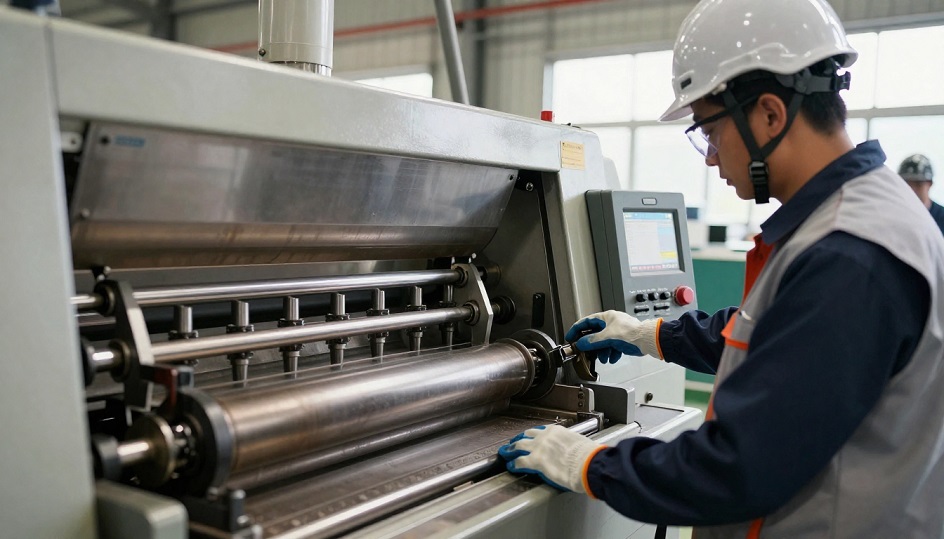

Working on a factory floor with an extrusion blow molding machine requires attention, skill, and a clear understanding of the equipment. These machines handle heated plastic, high-pressure air, and moving molds, which can be dangerous without proper precautions. Safety is not just about avoiding accidents; it also ensures consistent product quality, reduces downtime, and protects operators over long production shifts.
This article provides practical tips for safely operating an extrusion blow molding machine. It explains how operators can manage daily hazards, maintain equipment, and ensure smooth production without risking injury or material waste.
Understand the Machine Before Operating
The first step toward safety is knowledge. An extrusion blow molding machine combines heating barrels, a rotating screw, mold clamps, and blow pins that shape plastic. Operators must know how each component functions.
Modern machines often integrate computer operating systems that monitor temperature, pressure, and screw rotation. Understanding these controls allows operators to make adjustments safely without manual interference in moving parts.
Before starting production, review the operation manual and attend formal training sessions. Familiarity reduces mistakes that could damage the machine or create hazards on the floor.
Always Follow Personal Protective Equipment Guidelines
Personal protective equipment is essential. Operators should wear heat-resistant gloves, safety glasses, and protective clothing to prevent burns or injury from moving parts.
Hearing protection is also recommended in high-volume production areas where machines run continuously. Proper footwear and slip-resistant surfaces help prevent accidents on factory floors that may get slippery from cooling water or recycled plastic.
Keep Work Area Clean and Organized
Cluttered floors increase the risk of trips or interference with machine operation. Maintain clear pathways around extrusion blow molding machines.
Remove leftover plastic scraps regularly and store tools in designated areas. A clean floor ensures operators can access emergency stops quickly and reduces the chance of contamination in finished products.
Regularly Inspect and Maintain the Machine
Pre-shift checks prevent accidents. Inspect mold clamps, air blow systems, and barrel zones for wear or damage.
Lubricate moving parts as recommended. Modern extrusion blow molding machines with computer operating systems often include automated alerts for maintenance. Responding promptly prevents sudden malfunctions that could pose safety risks.
Regular maintenance also ensures plastic flows correctly, reducing material waste caused by improper operation.
Follow Safe Startup and Shutdown Procedures
Starting the machine without proper checks can create hazards. Ensure barrel temperatures are set according to production specifications and that molds are fully aligned before feeding plastic granules.
During shutdown, allow cooling periods as recommended. Do not remove products or touch molds immediately after operation. Rapid interaction with heated molds can cause severe burns.
Avoid Manual Interference During Production
Never reach into molds or attempt to adjust screws while the machine is running. Moving molds and rotating screws pose serious injury risks.
Computer operating systems allow operators to make safe adjustments to temperature, air pressure, and screw speed without physically interacting with the machine. Always rely on these systems rather than manual intervention.
Monitor and Manage Heat and Pressure
Temperature and pressure control are crucial for both safety and product quality. Operators must ensure heating zones remain within recommended ranges. Overheated barrels or excessive air pressure can lead to machine damage or hazardous plastic ejection.
Modern machines provide real-time monitoring and alerts when values exceed safe limits. Using these systems correctly helps prevent accidents and reduces material loss.
DID YOU KNOW?
According to a study by the Occupational Safety and Health Administration (OSHA), proper training and adherence to safety procedures can reduce accidents on heavy machinery by more than 60 percent. This highlights the importance of operator knowledge when working with extrusion blow molding machines.
Train Operators Continuously
New hires and experienced operators alike benefit from ongoing training. Understanding changes in materials, mold designs, or machine upgrades is essential.
Simulations and hands-on exercises improve reaction time during emergency stops or unusual operating conditions. Continuous training ensures that operators remain aware of potential hazards and correct operational practices.
Emergency Response Preparedness
Operators should know emergency stops, fire extinguisher locations, and first aid procedures. Quick response during an incident can prevent injuries and minimize machine downtime.
Safety signage and regular drills reinforce awareness. Incorporating safety into daily routines makes it part of the workflow rather than an afterthought.
Why Safe Operation Improves Production
Safe practices do more than protect employees. They reduce unplanned downtime, prevent material waste, and maintain product consistency. When operators understand both the safety and functional aspects of the machine, production runs smoother and more efficiently.
Comparison Table Between Unsafe and Safe Operation
| Aspect | Unsafe Operation | Safe Operation |
|---|---|---|
| Machine Interaction | Reaching into moving parts | Using control panels and computer systems |
| Protective Gear | Ignored or incomplete | Full PPE worn consistently |
| Maintenance | Reactive after breakdowns | Preventive and scheduled checks |
| Waste Control | Higher scrap due to mishandling | Reduced waste through proper setup and monitoring |
| Emergency Response | Delayed or unprepared | Immediate response with trained operators |
This comparison emphasizes that safety and efficiency go hand in hand.
Conclusion: How Safe Practices Make Extrusion Blow Molding Machines Efficient
Operating an extrusion blow molding machine safely ensures that both operators and production remain protected. Knowledge of machine components, proper use of computer operating systems, regular maintenance, and personal protective equipment reduce risks while improving output.
Safe operation also limits material waste, prevents defects, and helps factories maintain consistent schedules. Integrating safety into every step from startup to shutdown creates a reliable environment where operators can focus on quality production. Understanding and applying these safety principles makes extrusion blow molding machines not only effective for manufacturing but also safe for daily operation.
Visit for official updates at ileages.com