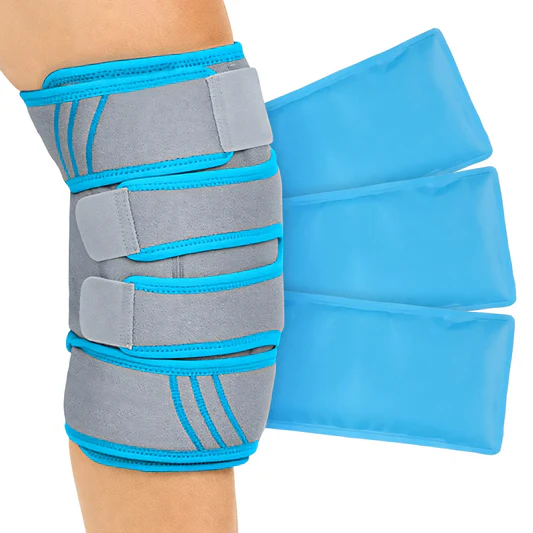

Recovering from surgery can be challenging, both physically and emotionally. Whether it’s a minor outpatient procedure or a major operation, having the right tools and supplies on hand can make a significant difference in comfort, safety, and overall healing. This is where surgery recovery kits come in. These kits are specially designed collections of essential items to support patients through their post-operative journey.
What Are Surgery Recovery Kits?
A surgery recovery kit is a pre-packaged set of items that helps patients manage their post-surgery needs at home. These kits typically include medical supplies, personal care items, and comfort-enhancing tools that facilitate a smooth recovery. They are often tailored for specific surgeries, such as orthopedic procedures, cosmetic surgeries, or abdominal operations, to address the unique needs of each patient.
Importance of Surgery Recovery Kits
- Convenience: Having all necessary items in one kit saves trips to the pharmacy or hospital, reducing stress and effort during recovery.
- Safety: Proper post-operative care is critical to prevent infections, swelling, or complications. Recovery kits include sterile and recommended supplies for safe healing.
- Comfort: Many kits feature items like ice packs, compression garments, or supportive pillows, helping patients manage pain and maintain mobility comfortably.
- Guidance: Some kits also include instructions or checklists for recovery routines, medication schedules, and wound care, assisting patients and caregivers in proper care.
Common Components of Surgery Recovery Kits
While contents vary depending on the surgery type, most kits include a combination of the following items:
- Medical Supplies: Gauze, bandages, adhesive tape, antiseptic wipes, surgical gloves, and disposable syringes.
- Pain Management Tools: Ice packs, heat pads, or topical analgesics to reduce swelling and discomfort.
- Hygiene Essentials: Antibacterial soap, wipes, and protective undergarments to maintain cleanliness without disturbing surgical sites.
- Comfort Items: Pillows, ergonomic supports, and mobility aids like canes or walkers for patients recovering from orthopedic procedures.
- Medication Organizers: Pillboxes or containers to help track post-surgery medications and supplements.
- Educational Materials: Step-by-step recovery guides, wound care instructions, and emergency contact information.
Tailoring Kits to Specific Surgeries
Surgery recovery kits can be customized based on the type of surgery:
- Orthopedic Surgery Kits: Include crutches, knee or elbow braces, elastic bandages, and anti-inflammatory medication guides.
- Cosmetic Surgery Kits: May contain compression garments, scar-reducing creams, and specialized dressings.
- Abdominal Surgery Kits: Feature abdominal binders, stool softeners, and comfortable clothing to minimize strain on incision sites.
- Dental or Oral Surgery Kits: Include ice packs, oral rinses, soft foods, and protective dental supplies.
Benefits for Patients and Caregivers
Recovery kits not only help patients but also support caregivers by simplifying post-operative care routines. Having pre-organized supplies reduces confusion and ensures that essential items are not overlooked during critical healing periods. This can result in faster recovery times, fewer complications, and reduced stress for both patients and caregivers.
Choosing the Right Surgery Recovery Kit
When selecting a recovery kit, consider the following:
- Type of Surgery: Ensure the kit matches your surgical procedure for optimal recovery.
- Quality of Supplies: Choose kits with high-quality, sterile medical products to minimize infection risks.
- Comprehensiveness: Look for kits that cover medical, comfort, and hygiene needs.
- Patient Needs: Consider any allergies, mobility restrictions, or personal preferences.
- Professional Guidance: Consult with your healthcare provider to ensure the kit complements your prescribed recovery plan.
DIY vs. Pre-Packaged Kits
While some patients prefer assembling their own recovery kits, pre-packaged kits offer convenience and professional curation. DIY kits can be customized but require knowledge of essential post-surgery supplies. Pre-packaged kits save time and ensure that all necessary items are included and sterilized.
Tips for a Successful Surgery Recovery
In addition to using a recovery kit, patients should follow these tips for smoother healing:
- Follow Medical Advice: Stick to your surgeon’s instructions for medications, wound care, and activity restrictions.
- Maintain Hygiene: Keep the surgical site clean and dry to prevent infections.
- Stay Hydrated and Nourished: Proper nutrition and hydration support tissue repair and energy levels.
- Manage Pain Effectively: Use prescribed medications and supportive tools like ice packs or pillows.
- Monitor for Complications: Watch for signs of infection, unusual swelling, or unexpected pain and contact your healthcare provider immediately.
- Get Adequate Rest: Sleep and rest are crucial for recovery, allowing the body to heal efficiently.
Conclusion
Surgery recovery kits are valuable tools that can simplify post-operative care, enhance patient comfort, and support a smoother healing process. By providing essential medical supplies, comfort items, and educational materials, these kits empower patients and caregivers to manage recovery effectively. Whether for major surgery or minor procedures, investing in a high-quality recovery kit is a proactive step toward faster, safer, and more comfortable healing.