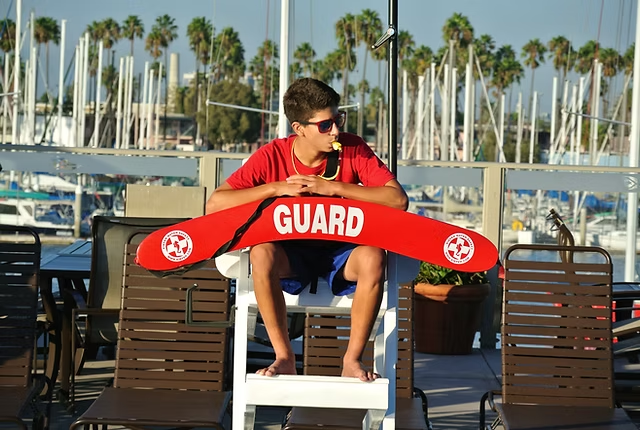

Lifeguard training is one of the most valuable steps anyone can take to promote safety in aquatic environments. Whether you want a summer job, a long-term career, or simply the ability to help others during emergencies, lifeguard certification prepares you with life-saving skills that can make a real difference.
From community pools to oceanfront beaches, lifeguards are trusted to prevent accidents and respond quickly when emergencies occur. That’s why professional training and certification are essential before stepping into this responsibility.
Lifeguard certification is often required for employment, and courses include both classroom learning and hands-on practice. The best part is that it’s easier than ever to sign up for the next available lifeguard class, thanks to online registration tools and flexible training options.
This guide will explore why lifeguard training matters, what you’ll learn, how certification works, and the best ways to enroll in your next class.
Summary
This guide explains why lifeguard training is essential for aquatic safety and how it prepares responders for real-world emergencies through a blend of theory and hands-on practice. It covers key lifeguard skills (surveillance, rescue techniques, CPR/first aid, equipment use, teamwork, and communication), certification requirements and renewal, and the different types of programs available for pools, beaches, and water parks. You’ll also learn exactly how to sign up for the next available lifeguard class, what to expect before training begins, and how scenario-based learning builds confidence and readiness.
Why Lifeguard Training Matters
Lifeguard training plays a major role in preventing drownings, injuries, and aquatic emergencies. Lifeguards must be prepared to respond immediately, often within seconds, to protect lives. Proper training teaches them how to recognize danger, intervene quickly, and provide care until emergency responders arrive.
Being a lifeguard requires more than just being a strong swimmer. Training programs teach critical safety knowledge, rescue strategies, and emergency response skills that help lifeguards handle everything from minor injuries to life-threatening incidents.
Certified lifeguards also build trust in aquatic spaces. Parents, swimmers, and facility managers rely on trained professionals to create a safe environment, making lifeguard certification not only a requirement—but a responsibility.
Lifeguard training programs typically include important elements such as:
-
CPR and First Aid
-
Rescue techniques
-
Use of rescue equipment
-
Emergency communication skills
In addition, trainees develop teamwork and leadership skills, which are essential in high-pressure situations. Lifeguards must communicate clearly, work smoothly with others, and remain calm when emergencies occur.
What to Expect in Lifeguard Training
Lifeguard training combines classroom instruction with intense hands-on practice. Participants complete water drills, equipment exercises, and emergency simulations to build confidence and ability in real rescue situations.
Training includes swimming drills to strengthen endurance and speed, along with lessons on scanning and surveillance to identify early warning signs before emergencies occur. Instructors guide trainees through realistic scenarios so they can develop quick response habits.
You can also expect CPR and first aid training as a major part of the course. Lifeguards must know how to handle cardiac emergencies, breathing issues, injuries, and unconscious victims. These skills must be practiced repeatedly so they become automatic when needed.
Lifeguard training courses often include simulated rescue scenarios, helping trainees sharpen their decision-making skills and stay calm under pressure.
A typical lifeguard course covers:
-
Swimming proficiency and endurance
-
Basic CPR and first aid
-
Use of backboards and rescue buoys
-
Techniques for different water emergencies
Training also builds essential soft skills, including communication and teamwork. Lifeguards often rely on each other during emergencies, so learning to coordinate efficiently is a major focus in every program.
Key Skills and Certifications Covered
Lifeguard courses focus on building the skills needed to prevent emergencies and perform rescues effectively. One of the most critical skills is strong swimming ability, including speed, endurance, and comfort in deep water.
Another key part of training involves CPR, first aid, and AED use. Lifeguards must be ready to assist victims immediately, and this requires correct technique, strong confidence, and continual practice.
Certification is earned once trainees demonstrate they can perform key rescue and medical skills accurately. It proves that a lifeguard is trained and qualified to respond to aquatic emergencies.
Key competencies covered include:
-
Mastery of different swim strokes
-
First aid and CPR techniques
-
Use of rescue tools like backboards
-
Handling of spinal and head injuries
These certifications are often required by employers and must be renewed regularly to ensure skills stay sharp. Lifeguards also benefit from developing confidence, leadership, and professionalism—qualities that make them reliable role models in aquatic environments.
Lifeguard Certification: Requirements and Process
Lifeguard certification involves meeting basic prerequisites and completing structured training. Most courses require participants to be at least 15 years old and able to pass a pre-course swim test. These tests often include timed swims, treading water, and retrieving objects from the bottom of the pool.
Certification includes both theory and practical skill development. Trainees learn lifesaving techniques and must pass written exams as well as hands-on evaluations. Practical assessments test rescue ability, CPR proficiency, and emergency response performance.
Key steps in the certification process include:
-
Completing required training classes
-
Passing written and skills exams
-
Demonstrating rescue techniques in simulated environments
-
Maintaining certification through periodic recertification
Course duration and cost may vary, depending on the provider and course type. Some organizations offer flexible schedules or blended learning formats to make certification more accessible.
Finding Lifeguard Training Classes Near Me
Signing up for lifeguard training is easier today than ever before. Many certified organizations provide searchable class listings and online registration. Local pools, recreation centers, schools, and aquatic facilities often host lifeguard classes, especially during peak hiring seasons.
To begin, use online searches like “sign up for the next available lifeguard class” to find providers near your location. Many official organizations list upcoming classes with dates, pricing, and registration instructions.
When searching for classes, look for:
-
Course schedules and flexibility
-
Certification validity and recognition
-
Qualified instructors
-
Class size and personalized attention
-
Accessibility and proximity
Some providers offer hybrid programs, allowing trainees to complete theory online while attending in-person sessions for water skills and rescue practice. This flexibility makes training easier for students and working individuals.
Types of Lifeguard Training Programs
Lifeguard programs vary depending on the aquatic environment. Each program is designed to address the unique challenges lifeguards may face in different settings.
Pool lifeguard training focuses on rescues in controlled environments, including scanning strategies, shallow and deep-water rescues, and facility safety. Beach and surf lifeguard training includes open water challenges such as waves, tides, and changing conditions, requiring greater stamina and situational awareness.
Water park lifeguard training includes specialized rescue considerations such as slides, wave pools, and high-traffic aquatic attractions.
Key training types include:
-
Pool lifeguard training
-
Beach and surf lifeguard training
-
Water park lifeguard training
-
Specialized and advanced rescue courses
Choosing the right course depends on where you plan to work. Many lifeguards begin with pool certification and later expand into advanced or open-water programs.
Preparing for Emergency Situations: Real-Life Scenarios
One of the most valuable parts of lifeguard training is scenario-based practice. These exercises mimic real emergencies and help lifeguards build the confidence to respond quickly and correctly in actual situations.
Scenarios may include rescuing an unconscious swimmer, managing spinal injuries, or handling multiple victims at once. These simulations teach lifeguards to assess risks, act efficiently, and communicate clearly with teammates.
Role-playing is often used, with trainees taking turns acting as rescuer and victim. This provides a well-rounded learning experience and improves critical thinking under pressure.
Common scenarios include:
-
Unconscious victim rescue
-
Spinal injury management
-
Drowning swimmer rescue
-
Multi-victim emergencies
Some programs also simulate realistic conditions such as cold water, waves, strong currents, or crowded environments. This helps lifeguards adapt their skills to real-world situations.
Lifeguard Training FAQs
Aspiring lifeguards often have questions before signing up. Here are some common FAQs:
What are the age requirements for lifeguard training?
Most programs require participants to be at least 15 years old, though age requirements may vary by provider.
How long does it take to become certified?
Courses generally take about 20 to 30 hours total, depending on schedule and course format.
How do I sign up for the next available lifeguard class?
You can register through local pools, training organizations, or official provider websites. Many programs allow online enrollment with immediate confirmation.
Key FAQs include:
-
Minimum age requirements
-
Course duration
-
Online sign-up and availability options
For specific dates and enrollment details, contact your local training provider or visit their registration page.
Conclusion: The Value of Lifeguard Training
Lifeguard training is more than a certification it is preparation for real responsibility. Lifeguards protect lives, prevent emergencies, and ensure aquatic environments remain safe for everyone. By choosing the right program and staying committed to learning, you become part of a profession built on skill, focus, and service.
If you’re ready to begin, now is the perfect time to sign up for the next available lifeguard class and start building skills that can save lives and create safer communities.