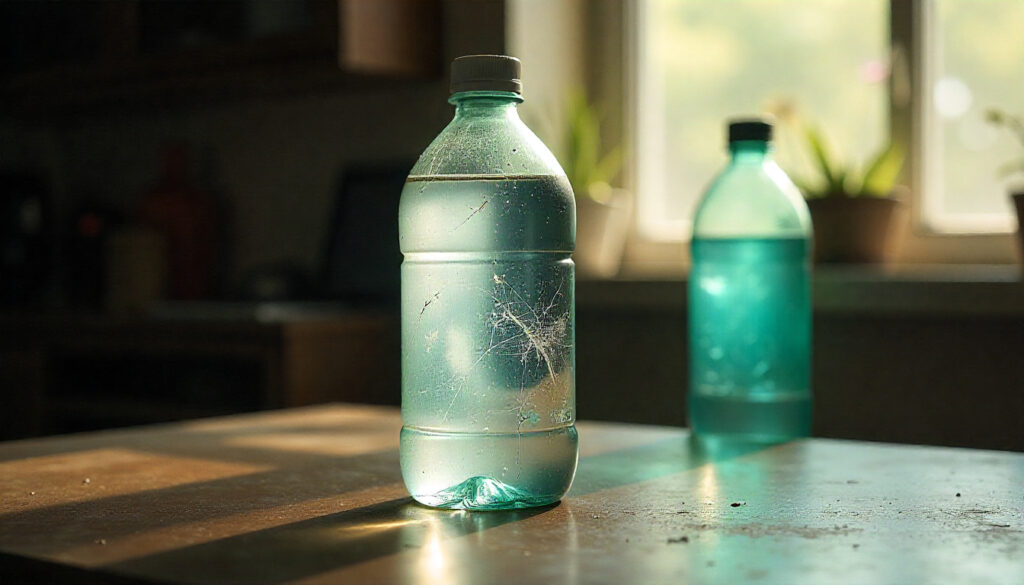

Water bottles are an essential part of daily life, accompanying people everywhere—from work and school to gyms and outdoor activities. Many assume that a single bottle can last for years if it looks clean and undamaged. However, this is a misconception. Water bottles, whether standard or filtered, have a lifespan, and using them beyond that period can quietly compromise water quality and health.
Plastic water bottles are especially popular due to their lightweight design and affordability, but they require careful monitoring and replacement. Even filtered water bottles, which provide added purification, need regular attention to maintain safe hydration. Knowing when and how to replace your water bottle can protect your health, prevent bacterial growth, and ensure fresh-tasting water every day.
Why Replacing Water Bottles Is Important for Health
Microbial Growth Over Time
Even with daily rinsing, water bottles accumulate bacteria. Every sip introduces microorganisms from the mouth into the bottle. Over time, moisture trapped inside the bottle, especially in corners or scratches, allows bacteria to multiply. This is particularly true for plastic bottles, which are more prone to micro-scratches that trap dirt and bacteria.
Unchecked bacterial growth can affect water taste, smell, and, in some cases, contribute to mild gastrointestinal issues. Older bottles often appear clean on the outside, but unseen microbial colonies can thrive within.
Material Degradation and Chemical Risks
Plastic bottles can degrade with extended use. Continuous exposure to sunlight, heat, or even dishwasher cycles can weaken the plastic, increasing the risk of chemical leaching. Even BPA-free bottles can absorb odors or release small amounts of chemicals if they are scratched or exposed to high temperatures.
Metal and glass bottles avoid chemical leaching, but they have other considerations. Metal bottles can dent, and glass bottles can break easily, making maintenance and careful handling essential.
How Long Do Different Bottles Last?
Standard Plastic Water Bottles
Plastic water bottles used for daily hydration generally last 6 to 12 months. Factors affecting lifespan include frequency of use, exposure to heat, and how often they are cleaned. Bottles used outdoors or carried in bags are likely to wear out faster due to scratches, dents, and exposure to sunlight.
Filtered Water Bottles
Filtered water bottles add a layer of complexity because they contain internal filters. Filters have a limited lifespan, often lasting 2 to 3 months, depending on water quality and usage. Once the filter expires, the bottle no longer effectively removes impurities.
However, even with regular filter replacement, the bottle itself still ages. Scratches, residue, and bacterial buildup in the bottle body can reduce water quality. Replacing the bottle every 12 months ensures safety and optimal performance.
Signs That It’s Time to Replace Your Bottle
-
Persistent foul or musty odor that does not go away after cleaning
-
Water tasting stale, metallic, or unusual
-
Visible scratches, cracks, or discoloration
-
Lids or caps that no longer fit securely or retain moisture
Ignoring these warning signs can compromise both taste and hygiene. Many consumers check Water Bottles Price in Pakistan when buying, but prioritizing safety and quality ensures better long-term hydration.
The Role of Lids and Caps in Hygiene
Lids are often the dirtiest part of a bottle. Threads, rubber seals, and crevices trap moisture and harbor bacteria. Even if the bottle body is thoroughly cleaned, a contaminated lid can reintroduce bacteria into fresh water.
Rubber seals degrade over time, losing shape and trapping moisture permanently. A lid with persistent odor or residue is a clear signal that replacement is necessary, regardless of the bottle’s age.
Heat and Environmental Factors
Plastic bottles degrade faster under heat. Leaving bottles in hot cars, near windows, or under direct sunlight accelerates wear. Heat also encourages bacterial growth, particularly in bottles that are partially filled or used for warm liquids.
Filtered water bottles are not immune. The bottle body still experiences wear and tear, even if the filter is functioning correctly. Proper storage in a cool, dry place can extend bottle life but does not eliminate the need for replacement.
Comparison Table: Bottle Type and Replacement Timing
| Bottle Type | Average Replacement Time | Key Reason |
|---|---|---|
| Plastic water bottles | 6–12 months | Scratches and bacterial buildup |
| Filtered water bottles | 12 months (filter every 2–3 months) | Filter wear and bottle hygiene |
| Bottle lids and caps | 3–6 months | Trapped moisture and seal degradation |
| Bottles exposed to heat | 3–6 months | Material breakdown and faster bacterial growth |
This table highlights the importance of considering both bottle type and usage environment when planning replacements.
Cleaning Practices That Extend Bottle Life
Proper cleaning is critical to safe hydration:
-
Wash bottles and lids with warm, soapy water every day
-
Use a brush to reach corners and the bottom of bottles
-
Allow full drying prior to storage to prevent damp buildup
Occasional deep cleaning with natural solutions like baking soda or vinegar removes odors and residue. Cleaning helps extend use, but worn bottles should be replaced without delay.
Special Considerations for Children’s Bottles
Children’s bottles face more wear due to frequent drops, rough handling, and sugary drinks. These factors accelerate scratches, bacterial buildup, and odors. Replacing children’s bottles every 3 to 6 months helps maintain hygiene and prevents health issues.
Practical Tips for Safe Bottle Use
-
Choose high-quality, food-grade materials for daily use
-
Avoid leaving bottles in hot or sunny environments
-
Replace bottles showing persistent odors, cracks, or discoloration
-
Wash lids and caps thoroughly each day
-
Keep separate bottles for flavored drinks to prevent bacterial growth
Following these steps ensures that hydration remains clean, fresh, and safe.
How to Choose Your Next Water Bottle
When selecting a replacement, consider:
-
Material quality and manufacturer reliability
-
Ease of cleaning and drying
-
Intended usage for travel, school, sports, or office
Consumers often compare Water Bottles Price in Pakistan, but focusing on hygiene, durability, and design ensures longer-lasting safe hydration. Trusted manufacturers provide bottles that reduce bacterial growth, resist odor, and deliver consistent water quality.
Final Thoughts: Timely Replacement Protects Health
Water bottles are essential, but old or worn bottles can silently reduce water quality and introduce bacteria. Plastic bottles are convenient and portable, but they require proper cleaning and timely replacement. Filtered water bottle need both regular filter changes and eventual bottle replacement.
Choosing high-quality bottles, practicing correct cleaning routines, and paying attention to wear signs ensures fresh, clean, and safe hydration every day. Your water bottle is more than a container; it is a tool that supports your health and daily well-being.
Visit for news and updates at ileages.com