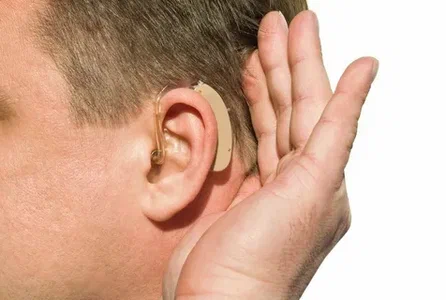

Hearing and speech challenges can affect individuals of all ages, influencing communication, confidence, learning ability, and overall quality of life. With timely support and professional care, these challenges can be managed effectively. A specialized hearing rehab center plays a critical role in helping individuals regain clarity in hearing and improve speech skills through structured and evidence-based therapy programs.
This article explores the importance of professional hearing and speech rehabilitation, the services typically offered, and how a dedicated therapy center supports long-term communication success.
Understanding Hearing and Speech Rehabilitation
Hearing and speech rehabilitation focuses on identifying, treating, and managing communication disorders related to hearing loss, speech delay, or language difficulties. These issues may be present from birth or develop later due to illness, injury, aging, or environmental factors.
Rehabilitation is not a one-time process but a guided journey that helps individuals adapt to hearing devices, retrain listening skills, and strengthen speech and language abilities. Early intervention often leads to better outcomes, especially for children and older adults.
Role of a Hearing Rehabilitation Center
A professional hearing rehabilitation center provides a structured environment where patients receive personalized care under the supervision of trained specialists. These centers combine technology, therapy, and patient education to address hearing and speech challenges comprehensively.
Rather than focusing only on diagnosis, rehabilitation centers emphasize long-term improvement. They help patients understand their condition, adapt to hearing solutions, and develop effective communication strategies for daily life.
Comprehensive Hearing Rehab Services
Quality hearing rehab services are designed to meet the unique needs of each patient. These services often begin with detailed hearing assessments, followed by customized rehabilitation plans.
Key services may include:
-
Hearing evaluations and follow-up testing
-
Hearing aid orientation and adjustment support
-
Auditory training to improve sound recognition
-
Communication strategies for noisy environments
-
Counseling for patients and families
These services ensure that individuals do not simply hear sounds, but learn how to interpret and respond to them confidently.
Importance of a Hearing Therapy Clinic
A specialized hearing therapy clinic focuses on improving auditory processing and listening skills through structured sessions. Therapy is especially beneficial for children with delayed speech development and adults adapting to hearing aids or cochlear implants.
Therapy sessions are usually goal-oriented and progress-based. Over time, patients learn to recognize speech patterns, differentiate sounds, and improve comprehension in both quiet and social settings.
Audiology and Speech Therapy: A Combined Approach
Audiology and speech therapy work best when delivered together as part of an integrated care model. While audiology focuses on hearing assessment and hearing solutions, speech therapy addresses speech clarity, language development, and communication confidence.
This combined approach allows professionals to treat the full spectrum of communication challenges. Patients benefit from coordinated care plans that align hearing improvement with speech and language development.
Support for Children with Hearing and Speech Needs
Children with hearing or speech difficulties require early and consistent intervention. Rehabilitation programs for children are often interactive, engaging, and designed to support learning milestones.
Therapists work closely with parents, teachers, and caregivers to ensure progress continues beyond therapy sessions. With the right guidance, children can develop strong communication skills that support academic and social success.
Adult and Senior Rehabilitation Programs
Adults and seniors may experience hearing loss due to aging, noise exposure, or medical conditions. Rehabilitation programs for adults focus on restoring confidence, improving workplace communication, and maintaining social connections.
Therapists also help seniors overcome listening fatigue and adapt to modern hearing technology. Personalized therapy ensures comfort, independence, and improved quality of life.
Patient-Centered Therapy Environment
A successful rehab program prioritizes patient comfort and trust. Friendly environments, clear communication, and realistic therapy goals help patients stay motivated throughout their rehabilitation journey.
Education is also a key part of therapy. Patients learn how hearing works, how to care for hearing devices, and how to communicate effectively with family and colleagues.
Benefits of Professional Hearing and Speech Care
Choosing professional rehabilitation care offers several long-term advantages:
-
Improved communication confidence
-
Better speech clarity and listening skills
-
Enhanced social and professional interaction
-
Increased independence in daily life
-
Stronger emotional well-being
With consistent therapy, many individuals experience meaningful improvements that positively impact their relationships and lifestyle.
Long-Term Commitment to Better Communication
Hearing and speech rehabilitation is an ongoing process that evolves with the patient’s needs. Regular follow-ups, therapy adjustments, and continued support ensure sustained progress.
A dedicated care team helps patients adapt to life changes, new environments, and evolving communication demands over time.
Final Thoughts
Speech therapist in Lahore should never limit an individual’s ability to connect with the world. With professional guidance, compassionate care, and structured therapy, patients can achieve noticeable improvements in communication and confidence.
A well-established rehabilitation center offers more than treatment—it provides hope, empowerment, and a path toward better hearing and speech for every stage of life.