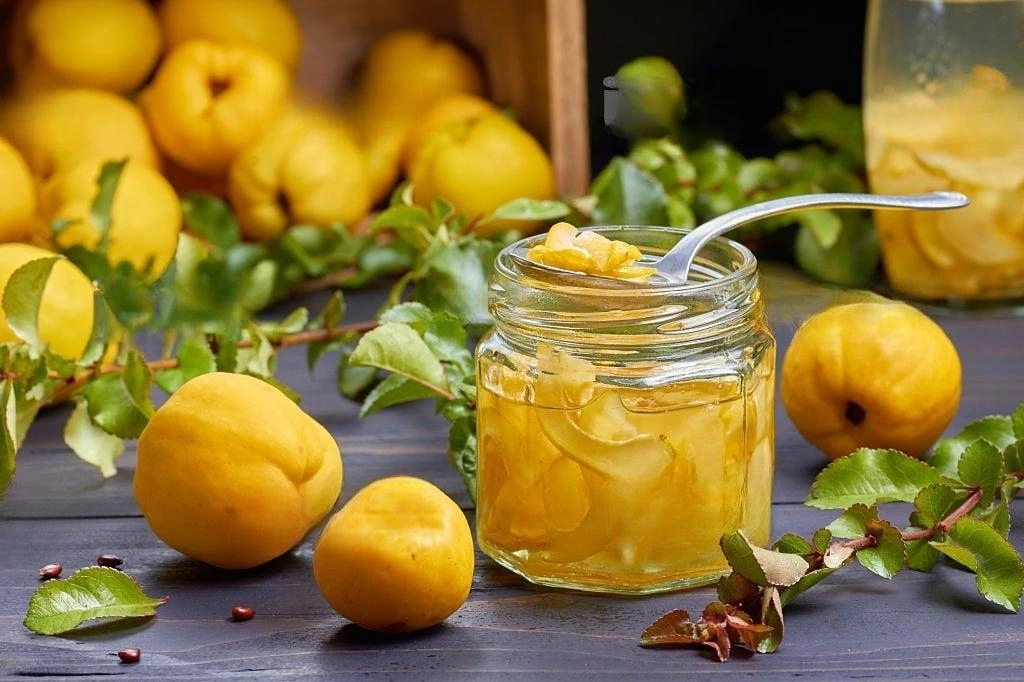

Quince Murabba is one of the most cherished traditional sweet preserves in Pakistan. Known for its unique aroma, tangy-sweet flavor, and health benefits, this delicacy is often prepared during autumn when quinces are in season. Among its ingredients, bahi dana plays a crucial role in giving the murabba its signature taste and nutritional value.
What is Quince Murabba?
Quince Murabba is a fruit preserve made from quinces, sugar, and a blend of spices. This sweet treat has been a part of Pakistani households for generations. It is commonly served with breakfast, as a snack, or even during festive occasions. The process of making murabba is considered an art, with families often following recipes passed down from their ancestors.
The star ingredient, bahi dana, also called quince seeds, contributes significantly to the health benefits of the murabba. These seeds are packed with essential nutrients and are known for their digestive properties. Incorporating bahi dana ensures that the murabba is not only flavorful but also wholesome.
Nutritional Benefits of Quince and Bahi Dana
Quince is a powerhouse of vitamins and minerals. It is rich in vitamin C, antioxidants, and dietary fiber. Regular consumption of quince murabba may help boost immunity, improve digestion, and support overall health. The inclusion of bahi dana enhances these benefits. These seeds contain natural compounds that can help soothe stomach issues and promote better digestion.
In traditional Pakistani medicine, quince seeds have been used to treat minor ailments such as constipation and acidity. Combining these seeds with sugar and spices in murabba makes it easier to consume while preserving its health benefits.
Ingredients Needed for Quince Murabba
Making quince murabba at home requires a few key ingredients that are easily available in Pakistan:
-
1 kg quince
-
500 grams sugar (adjust as per taste)
-
2 tablespoons bahi dana (quince seeds)
-
1 teaspoon cardamom powder
-
1 tablespoon lemon juice
-
Water as required
The inclusion of bahi dana may seem minimal, but it plays a significant role in the flavor and nutritional profile of the murabba.
Step-by-Step Guide to Making Quince Murabba
Preparing the Quinces
First, wash the quinces thoroughly to remove any dirt. Peel the skin carefully and cut them into thin slices. The seeds should be separated and kept aside as they are required later in the process.
Cooking Process
Place the quince slices in a large pot with enough water to cover them. Boil until the fruit becomes tender. After this, drain the water and set aside. In another pot, prepare sugar syrup by dissolving sugar in water and bringing it to a boil. Add bahi dana and allow it to infuse the syrup.
Combining the Ingredients
Once the sugar syrup is ready, add the cooked quince slices. Sprinkle cardamom powder for a fragrant aroma and stir gently. Let the mixture simmer on low heat until the syrup thickens and the fruit becomes translucent. Adding lemon juice at this stage helps preserve the color and enhances the tangy-sweet taste.
Storage and Serving
After cooling, quince murabba can be stored in sterilized jars. It can last for several months if kept in a cool, dry place. In Pakistan, it is common to serve murabba with parathas, roti, or even yogurt. The sweet, slightly tangy flavor combined with the subtle crunch of bahi dana makes every bite delightful.
Health Benefits of Quince Murabba
Quince murabba is more than just a sweet treat; it is a functional food that offers several health benefits:
-
Digestive Aid: Bahi dana helps in regulating bowel movements and improving digestion.
-
Immune Boost: Rich in vitamin C, quince enhances the body’s ability to fight infections.
-
Antioxidant Properties: The fruit contains antioxidants that protect cells from damage.
-
Heart Health: Regular consumption may help in lowering cholesterol levels and improving heart health.
In Pakistan, many families recommend quince murabba for children and elderly members alike because of these natural benefits.
Tips for Perfect Quince Murabba
-
Select fresh, firm quinces to ensure the best flavor and texture.
-
Avoid overcooking, as it may turn the murabba mushy.
-
Ensure bahi dana is added early in the sugar syrup to release its beneficial compounds.
-
Use a non-stick pot to prevent sticking and burning.
-
Store in sterilized glass jars to extend shelf life.
Cultural Significance in Pakistan
Quince murabba holds a special place in Pakistani culture. It is often prepared during autumn and shared with relatives and friends during festive occasions. The tradition of making murabba together is a bonding experience for families, with recipes often passed down through generations.
Including bahi dana in murabba is a reflection of traditional wisdom, as older generations recognized the medicinal properties of quince seeds long before modern research confirmed their benefits.
Modern Variations
While traditional quince murabba remains popular, modern adaptations include adding saffron, ginger, or even nuts to enhance the flavor. Some people also experiment with organic sweeteners instead of sugar for a healthier version. However, the authentic taste with bahi dana remains unmatched.
Conclusion
Quince murabba is more than just a sweet preserve; it is a symbol of tradition, health, and family bonding in Pakistan. The inclusion of bahi dana not only enriches the flavor but also brings a host of health benefits. Preparing quince murabba at home is a fulfilling experience that connects generations and keeps culinary heritage alive.
By following traditional methods and adding a touch of personal creativity, every Pakistani household can enjoy this tangy-sweet delight while benefiting from the nutritional goodness of quinces and bahi dana.