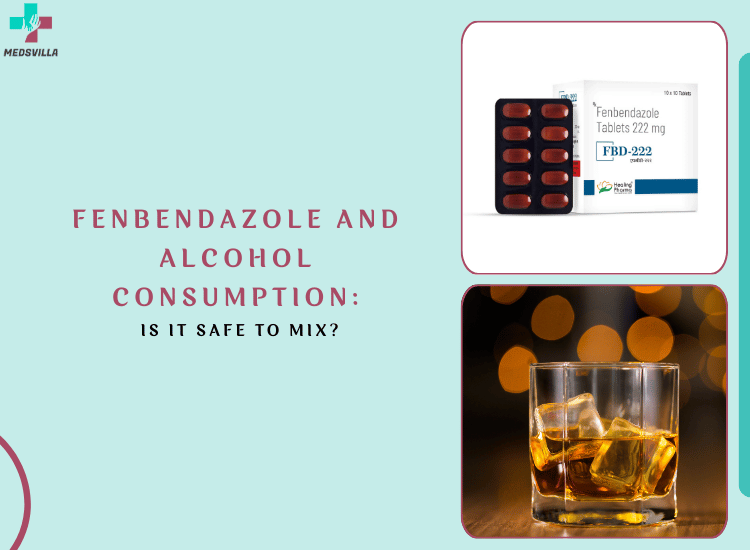

Fenbendazole is a well-known antiparasitic medication that has been widely used in veterinary medicine for many years. It is commonly prescribed to treat a variety of intestinal parasites in animals, including horses, dogs, cats, and livestock. In recent years, fenbendazole has attracted growing attention beyond its traditional veterinary role, leading many people to ask important questions about its safety, proper use, and possible interactions—especially with alcohol.
Fenbendazole has attracted growing interest in recent years as people look beyond its traditional role in parasite control for animals. While Fenbendazole for Horses is a well-established treatment in veterinary medicine, some individuals are also exploring and discussing its off-label use for human health purposes.
One of the most common concerns is whether consuming alcohol while using fenbendazole can cause harmful effects. Understanding how fenbendazole works in the body and how alcohol may influence its action can help individuals make informed and cautious decisions.
What Is Fenbendazole and How Does It Work?
Fenbendazole belongs to the benzimidazole class of antiparasitic drugs. Its primary mechanism involves disrupting the energy metabolism of parasites by preventing them from absorbing glucose. Without a sufficient energy supply, parasites weaken and eventually die, allowing the body to eliminate the infection.
In veterinary use, fenbendazole is considered relatively safe when administered at recommended doses. It is typically taken orally and absorbed through the digestive tract. Once inside the body, fenbendazole is processed by the liver and converted into active metabolites that enhance its effectiveness against parasites.
Although its safety profile is well established in animals, fenbendazole is not widely approved for routine human use in many regions. This makes understanding potential interactions, including alcohol consumption, even more important.
Why Alcohol Use Raises Concerns
Alcohol is primarily metabolized by the liver—the same organ responsible for breaking down fenbendazole. When two substances rely on liver enzymes for metabolism, there is a possibility that they could compete for processing. This may increase stress on the liver or alter how one or both substances are handled by the body.
While no large-scale human studies have specifically examined fenbendazole and alcohol use together, general medical principles suggest caution, especially for individuals who drink frequently or heavily.
How the Body Processes Fenbendazole
After ingestion, fenbendazole undergoes metabolism in the liver, where it is converted into compounds such as oxfendazole. These metabolites are active and contribute to the drug’s antiparasitic effects. Eventually, the drug and its metabolites are excreted from the body.
Alcohol metabolism also takes place in the liver, using enzymes that help break ethanol down into less harmful substances. When alcohol is present, the liver prioritizes processing it, which may temporarily slow the metabolism of other substances, including medications.
This overlap raises questions about whether combining alcohol and fenbendazole could increase side effects or reduce the medication’s effectiveness.
Potential Side Effects When Combined with Alcohol

Although no severe interactions have been definitively documented, combining fenbendazole with alcohol may increase the likelihood of certain side effects.
Fenbendazole can sometimes cause mild digestive issues such as nausea, abdominal discomfort, bloating, or diarrhea. Alcohol is known to irritate the stomach and intestines, and consuming it alongside fenbendazole may worsen these symptoms.
Additionally, some individuals may experience dizziness, fatigue, or headaches when taking medications that affect liver metabolism. Alcohol can intensify these sensations, making them more noticeable or uncomfortable.
Impact on Liver Health
One of the most important considerations is liver health. Occasional alcohol consumption may not pose significant risks for individuals with healthy liver function, but regular or excessive drinking can increase liver strain.
When fenbendazole and alcohol are processed together, the liver must work harder to break down both substances. Over time, this increased workload may raise liver enzyme levels or contribute to irritation, especially in individuals with underlying liver conditions.
People with liver disease, a history of heavy alcohol use, or those taking multiple medications should be particularly cautious.
Alcohol-Containing Medications and Fenbendazole
Alcohol exposure doesn’t only come from beverages. Some medications, such as certain cough syrups, herbal tinctures, or liquid supplements, contain alcohol. These products can contribute to overall alcohol intake without being obvious.
When combined with fenbendazole, alcohol-containing medications may increase the risk of nausea, dizziness, or stomach discomfort. Being mindful of hidden alcohol sources is an important part of safe medication use.
Short-Term vs. Long-Term Use
The duration of fenbendazole use can influence the level of risk. Short-term use may carry fewer concerns for individuals who avoid or limit alcohol intake during treatment. Long-term or repeated use, especially when combined with frequent alcohol consumption, may increase the likelihood of side effects or liver stress.
Spacing alcohol consumption away from dosing times may reduce potential interactions, but it does not eliminate risk entirely.
Warning Signs to Watch For
Anyone using fenbendazole while consuming alcohol should pay close attention to their body’s signals. Warning signs that may indicate liver or digestive stress include:
-
Persistent nausea or vomiting
-
Abdominal pain or cramping
-
Unusual fatigue or weakness
-
Dark-colored urine
-
Yellowing of the eyes or skin
If any of these symptoms appear, alcohol consumption should be stopped immediately, and medical advice should be sought.
Is It Safer to Avoid Alcohol Completely?
From a precautionary standpoint, avoiding alcohol while using fenbendazole is the safest option. Eliminating alcohol reduces the burden on the liver and minimizes the risk of side effects or interactions.
For individuals who choose to drink alcohol, moderation is essential. Limiting intake and avoiding heavy or frequent drinking can help reduce potential risks, though complete safety cannot be guaranteed.
The Importance of Professional Guidance
Because fenbendazole is not widely approved for human use, consulting a qualified healthcare professional is strongly advised. A medical provider can help evaluate individual risk factors, assess liver health, and provide guidance on whether alcohol should be avoided entirely.
Self-directed use without proper supervision increases the likelihood of adverse effects, especially when combined with alcohol or other medications.
Final Thoughts
Fenbendazole and alcohol both rely heavily on liver metabolism, making their combined use a topic that deserves careful attention. While no major interactions have been conclusively proven, the potential for increased side effects, digestive discomfort, and liver strain suggests that caution is necessary.
Although no significant interactions have been widely documented, medications that contain alcohol—such as certain cough syrups or herbal tinctures—may increase the risk of side effects like nausea, dizziness, or stomach upset. If you are using any alcohol-based products, Fenbendazole For Humans should be taken with added caution.
For the safest experience, avoiding alcohol during fenbendazole use is recommended. If alcohol is consumed, it should be limited, and any unusual symptoms should be taken seriously. Making informed choices and seeking professional advice can help protect overall health and reduce unnecessary risks.