

Revising for the driving theory test requires focus, consistency, and a clear understanding of road rules and safety principles. Many learners find it difficult to manage the volume of information while balancing daily commitments. Traditional revision methods often lack structure and do not provide clear indicators of progress. Driving test applications offer a more organised and accessible way to prepare, presenting theory content in manageable sections supported by regular practice. These digital tools help learners maintain momentum, improve recall, and approach the test with greater confidence by turning theory revision into a structured and achievable process.
Common Difficulties in Driving Theory Preparation
Preparing for the driving theory test can feel challenging due to the amount of information learners must understand and remember. Without the right structure and guidance, revision can quickly become confusing and ineffective.
Information Overload
Learners are required to study multiple topics such as road signs, speed limits, hazard awareness, and safety rules at the same time. Managing this volume without a clear plan often leads to confusion and incomplete understanding.
Lack of Revision Structure
Without organised revision, learners may focus too much on familiar topics while ignoring weaker areas. This imbalance creates knowledge gaps that are often identified too late in the preparation process.
Reduced Concentration
Long reading sessions using manuals or notes can feel repetitive and mentally tiring. As focus drops, revision becomes less productive and motivation can decline quickly.
Poor Time Management
Revision is often done in short, unplanned sessions rather than through a consistent routine. This inconsistency makes it easier to forget previously covered topics and slows overall progress.
How Driving Test Apps Structure Theory Learning
Driving test apps follow a clear and organised learning structure that helps learners manage theory preparation more effectively. By breaking content into logical sections, these tools support steady progress and better understanding without overwhelming the learner.
- Topic-Based Organisation
Theory content is divided into clearly defined subjects, allowing learners to concentrate on one area at a time. This structured approach reduces confusion and makes revision easier to follow. - Practice Questions After Each Section
Each topic is supported by relevant practice questions that check understanding immediately. Instant feedback confirms whether the learner has grasped the concept before moving forward. - Short and Focused Revision Sessions
Apps encourage brief but regular study sessions rather than lengthy revision periods. This method supports better retention while reducing mental fatigue. - Repeatable Learning for Weaker Areas
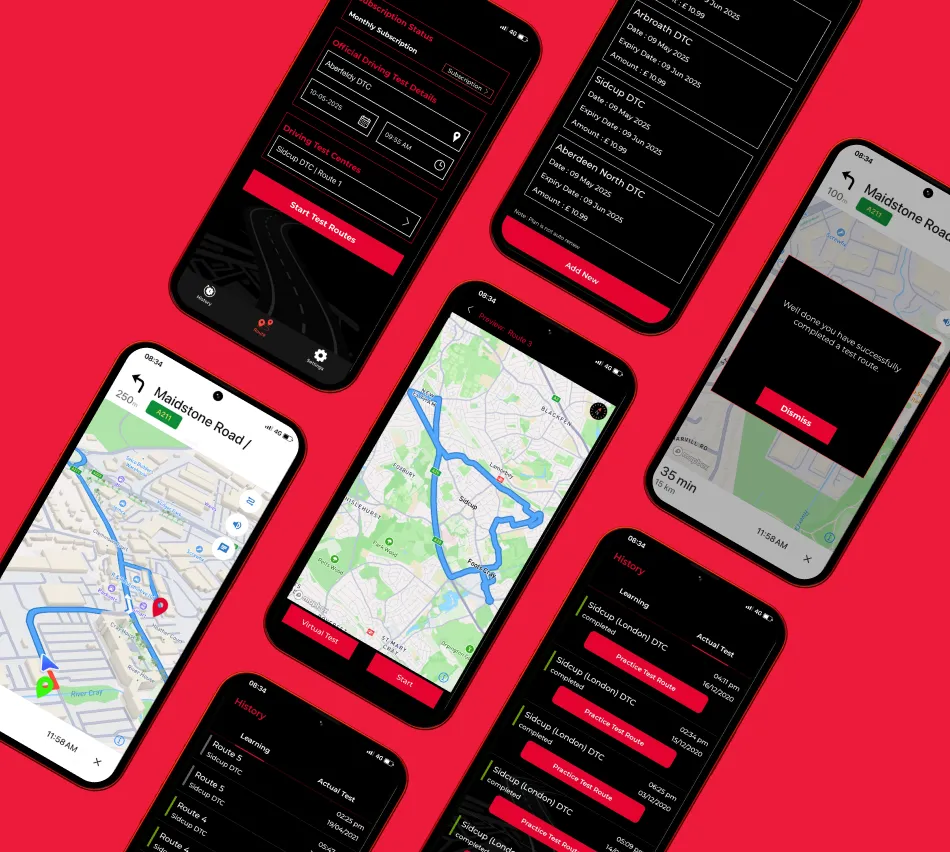
An App for Driving Test allows learners to revisit difficult topics as often as needed. This flexibility supports gradual improvement and helps build confidence over time.
Features That Support Better Retention
Driving test applications are designed to support memory and understanding through interactive features. These tools shift revision away from passive reading and towards active engagement.
Key features often include:
- Timed mock theory tests that mirror exam conditions
- Topic-based quizzes for focused revision
- Instant explanations for incorrect answers
- Visual progress indicators showing improvement over time
These features help learners identify patterns in their mistakes and address them early. Feedback plays an important role, as it explains why an answer is correct or incorrect rather than simply showing the result.
Hazard perception practice is another important element. Interactive clips help learners recognise developing hazards and improve reaction timing. Repeated exposure to these scenarios builds familiarity and supports quicker decision-making.
By combining repetition with feedback, digital tools support stronger recall and reduce uncertainty during the test.
Flexibility and Convenience for Modern Learners
Flexibility is one of the most valued benefits of driving theory apps. Learners can revise at times that suit their schedules without needing dedicated study spaces or materials. Short revision sessions can be completed during breaks or quiet moments.
This convenience supports consistency. Instead of postponing revision due to time constraints, learners are more likely to engage regularly. Frequent interaction with theory content helps maintain familiarity and reduces the risk of forgetting key information.
Digital tools also allow learners to adjust their pace. Some may prefer slower progress with repeated practice, while others may move through topics more quickly. This adaptability supports individual learning preferences without comparison or pressure.By fitting revision into everyday routines, driving test apps make preparation feel more achievable and less disruptive.
Building Confidence Through Measured Progress
Confidence plays a major role in theory test success. Learners who understand their progress tend to approach the test with greater assurance. Driving test apps support this by providing clear performance indicators.
Progress tracking features show which topics have been completed and which require further attention. This transparency helps learners focus their efforts more effectively.
Mock tests also play an important role in confidence building. Repeated exposure to exam-style questions reduces uncertainty and helps learners manage time more effectively. Familiarity with the test format supports calmer decision-making under pressure.
As confidence improves, learners are more likely to maintain motivation and continue revising consistently until test day.

Choosing a Reliable Driving Theory App
Selecting the right digital tool is an important step in theory preparation. Not all applications provide the same level of accuracy or support, making careful choice essential.
Important factors to consider include:
| Feature | Importance |
| Accurate content | Reflects current driving rules |
| Clear interface | Supports easy navigation |
| Regular updates | Keeps information relevant |
| Performance tracking | Helps target weak areas |
A reliable app should align with official test requirements and present information clearly. User-friendly design supports smoother revision and reduces frustration.
Consistency in quality ensures learners can trust the material they are revising, allowing them to focus fully on preparation.
Conclusion
Driving theory revision becomes far more manageable when learners use tools designed for clarity, structure, and consistency. Digital driving test applications support organised learning, regular practice, and meaningful feedback, helping learners retain information more effectively. With flexible access and progress tracking, preparation fits naturally into daily routines while reducing unnecessary pressure. By supporting steady improvement and confidence, these tools play an important role in successful theory preparation. Choosing a dependable solution such as App for Driving Test can help learners approach their theory test feeling prepared, focused, and confident.