

Breast lumps such as fibroadenoma are being detected more often today, largely because women are more aware of breast health, and screening is becoming routine. Even though these lumps are usually harmless, the word “surgery” can instantly cause anxiety and hesitation. Many women worry about scars, recovery time, and how treatment might affect their daily life. Fortunately, breast care has changed significantly. Modern medicine now offers non-surgical, image-guided treatment options that focus on safety, comfort, and quick recovery. This blog explains how these surgery-free treatments work, who they suit, and why many women now prefer them.
How Do You Detect Fibroadenomas in the Breast?
Fibroadenomas are usually detected during self-examination or routine health screenings, after which imaging tests such as ultrasound or mammography are used to assess the lump clearly. When these findings need confirmation, many women consider breast fibroadenoma treatment in Ahmedabad to understand the diagnosis and plan the next steps with confidence.
Fibroadenoma treatment is for a non-cancerous breast lump made of glandular and connective tissue. It often feels smooth, firm, and movable under the skin. These lumps are most common in younger women, especially during reproductive years, and they are not linked to breast cancer in most cases.
Fibroadenomas are usually painless and may go unnoticed for a long time. Many women discover them during self-examination or routine checkups. Ultrasound is commonly used to evaluate these lumps, while mammography may be advised depending on age and breast tissue.
Why Many Patients Now Avoid Traditional Surgery
Patient expectations around comfort, recovery, and appearance have shifted, leading many to rethink surgical removal.
1. Limitations of Open Surgical Removal
Traditional surgery involves cuts, stitches, and visible scars. It often requires hospital admission, downtime, and post-procedure care. Emotional stress related to body image and fear of surgery also plays a major role in decision-making.
2. Growing Preference for Minimally Invasive Care
Today’s patients prefer treatments that fit easily into their routine. Faster recovery, minimal discomfort, and less disruption to work and family life have made minimally invasive options more appealing, pushing non-surgical breast care into the mainstream.
Non-Surgical Treatment Options Available Today
Modern techniques focus on treating fibroadenoma effectively while keeping the experience gentle and precise.
Image-Guided Procedures Explained Simply
These procedures use real-time imaging, such as ultrasound to guide treatment directly to the lump. This accuracy helps doctors treat only the targeted tissue while protecting surrounding breast structures, improving safety and outcomes.
How Modern Techniques Protect Breast Appearance
Because there are no large cuts, scarring is minimal. The natural shape and feel of the breast are preserved, which helps women feel confident and comfortable after treatment.
How Vacuum-Based Treatments Work
These treatments use real-time imaging to precisely target the fibroadenoma through a tiny skin opening, avoiding large cuts. The lump is treated or removed in a controlled manner under local anesthesia, making the process safe and patient-friendly.
The procedure is performed under imaging guidance using local anesthesia. A small probe is inserted through a tiny skin opening, and the fibroadenoma is carefully treated or removed. It is usually done as an outpatient procedure, allowing patients to return home the same day.
Precision control, reduced tissue damage, and continuous imaging make these methods highly reliable. Their use has increased globally due to consistent outcomes and lower risk compared to open surgery. Many centers offering breast fibroadenoma treatment now rely on these approaches for eligible patients.
Types of Breast Fibroadenoma
Breast fibroadenomas are not all the same and can vary in size, growth pattern, and tissue makeup. Understanding the type helps doctors decide whether monitoring or targeted, non-surgical treatment is the best approach.
- Simple Fibroadenoma: This is the most common type. It is usually small, slow-growing, and well-defined. Often, it does not require aggressive treatment unless it causes discomfort or emotional concern.
- Complex Fibroadenoma: This type may show additional tissue changes on imaging. Doctors may suggest closer monitoring or targeted intervention depending on size, growth pattern, and patient preference.
- Juvenile Fibroadenoma: Seen mostly in teenagers and young women, this type can grow faster but remains non-cancerous. Careful evaluation helps decide whether treatment or observation is best.
- Giant Fibroadenoma: Larger fibroadenomas can alter breast shape and cause visible asymmetry. In such cases, non-surgical, image-guided options are often preferred to preserve appearance, especially within advanced breast fibroadenoma treatment protocols.
How Can You Dissolve a Fibroadenoma Without Surgery?
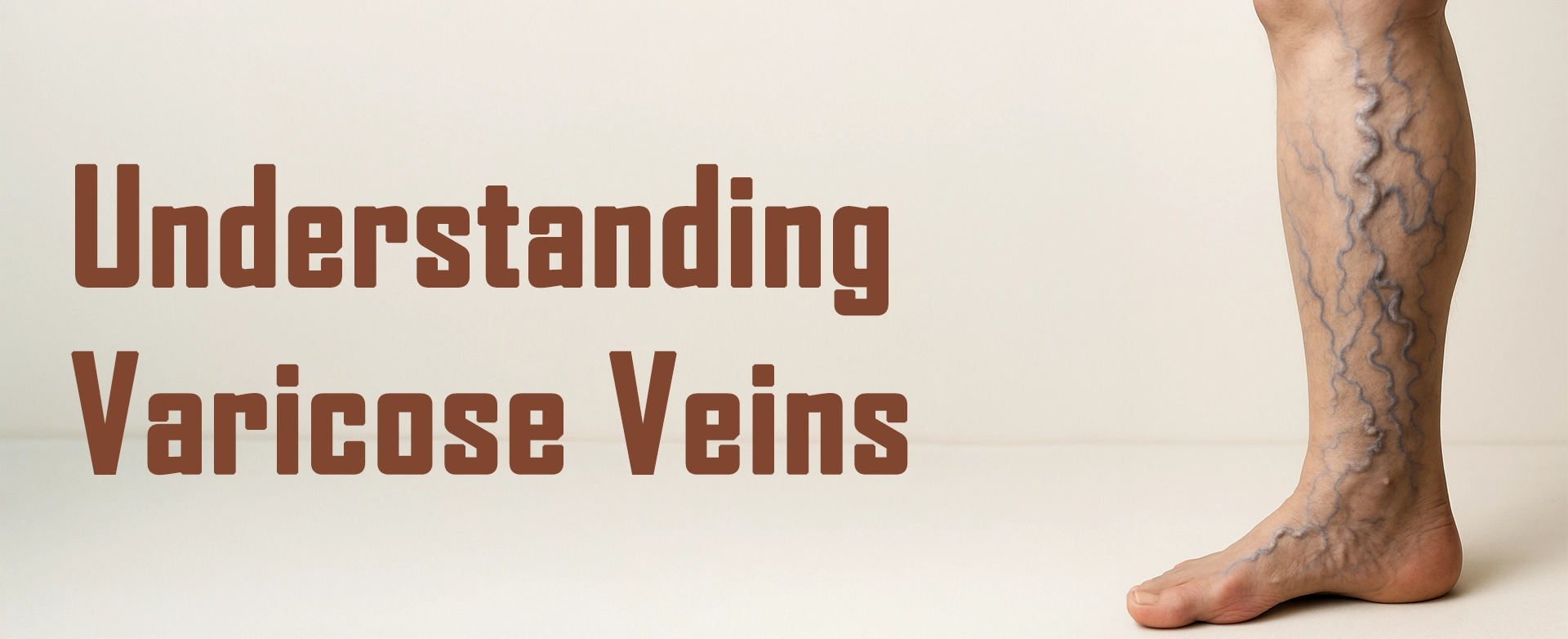
With non-surgical treatment, doctors address the fibroadenoma using controlled, image-guided methods rather than open surgery. The process is gentle on surrounding tissue and supports a smooth recovery. Patients familiar with varicose veins treatment in Ahmedabad often recognize this approach for its emphasis on safety and convenience.
Key Benefits of Treating Fibroadenoma Without Surgery
- No large incisions
- Minimal scarring
- Faster recovery
- Outpatient procedure
- Preserves breast appearance
These advantages explain why many women now prefer modern care pathways similar to those used in varicose veins treatment, where minimally invasive techniques have become the standard.
FAQ
Q1: Is non-surgical fibroadenoma treatment painful?
Most patients feel only mild discomfort during the procedure. Local anesthesia is used, which keeps pain minimal and manageable.
Q2: How long does it take to recover after the procedure?
Recovery is usually quick. Many women return to normal activities within one or two days without major restrictions.
Q3: Will the fibroadenoma come back after non-surgical treatment?
In most cases, treated fibroadenomas do not return. Regular follow-up helps ensure long-term breast health.
Q4: Is non-surgical treatment safe for all ages?
These treatments are commonly used for young and adult women. Suitability depends on lump size, type, and imaging findings assessed by a doctor.
Conclusion
Non-surgical treatment for fibroadenoma offers a safer, more comfortable alternative to traditional surgery. With precise imaging, minimal downtime, and preserved breast appearance, modern care focuses on both physical and emotional well-being. These techniques allow women to make confident decisions without unnecessary disruption to daily life. Choosing the right approach always starts with professional guidance and personalized evaluation. At Dev Hospital, patient-focused, advanced treatment options reflect this commitment to safe, thoughtful, and modern breast care.