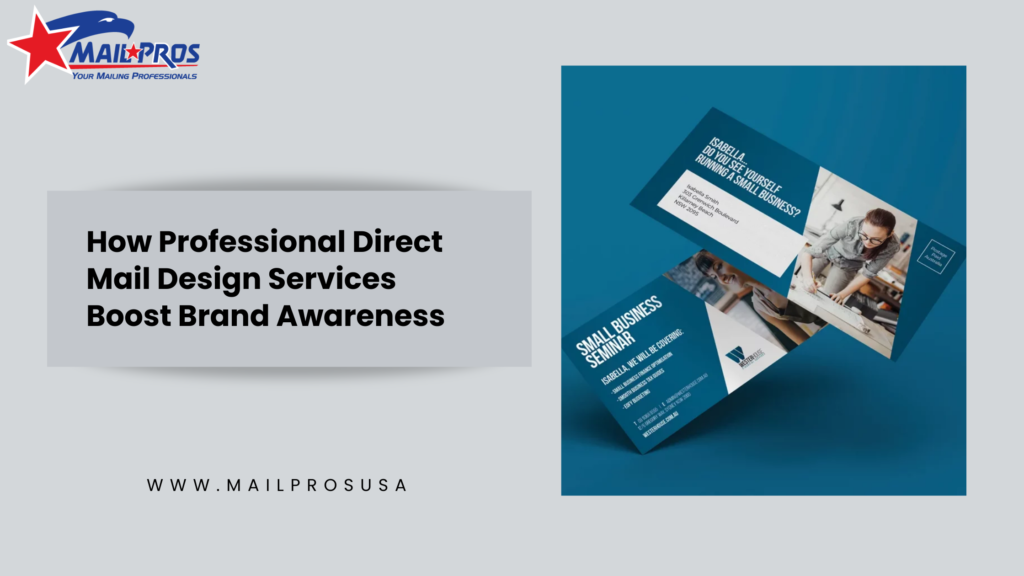

We have all experienced it: you open your mailbox, pull out a stack of envelopes, and within seconds, you have made a series of snap judgments. Some pieces feel flimsy and look cluttered, destined for the recycling bin without a second thought. But then, one piece stops you. It feels substantial, the colors are vibrant, and the message is instantly clear. In that fleeting moment, a brand has successfully imprinted itself on your mind.
Building that kind of recognition doesn’t happen by accident. It is the result of psychology, technical precision, and marketing strategy working in harmony. At MailProsUSA, we have seen thousands of campaigns pass through our facility, and the correlation is undeniable: businesses that invest in professional design don’t just get better response rates; they build lasting brand equity.
In a digital world where ads vanish with a scroll, physical mail offers a unique opportunity to linger in a customer’s home. However, that opportunity is wasted if the design doesn’t command respect. Let’s dive into how professional design services transform a simple piece of paper into a powerful brand-building tool.
The Psychology of Touch and First Impressions
Brand awareness isn’t just about a logo; it is about a feeling. When a potential client holds your mailer, they are engaging in “haptic perception”—gathering information through touch. A professional designer understands paper stocks, textures, and finishes. They know that a 16pt matte finish conveys luxury and stability, while a thin, glossy sheet might scream “discount.”
When we discuss Direct Mail Services, we often emphasize that the medium is the message. If your design looks like a DIY project from a home printer, customers will subconsciously assign that same “amateur” quality to your products or services. A professional design team ensures that the tactile experience matches the promise of your brand, establishing trust before the recipient even reads the headline.
Consistency: The Guardian of Brand Identity
One of the most common mistakes I see business owners make is treating direct mail as a standalone island, completely separate from their website or storefront. They might use a different font because it “looked cool” or pick colors that clash with their logo. This creates brand confusion. To build awareness, you need immediate recognition.
A professional design service acts as the guardian of your brand identity. They ensure that your typography, color palette (CMYK vs. RGB), and voice are consistent across every touchpoint. Whether a customer sees your truck on the road or your postcard on their table, the visual language should be identical. This repetition is what moves a business from being “a company” to being “the company” in a local market.
Strategic Layouts for Different Objectives
Not all direct mail campaigns have the same goal, and therefore, they shouldn’t look the same. A design meant to saturate a neighborhood needs to be bold and universally appealing. For example, when utilizing Every Door Direct Mail (EDDM), the canvas is large, and the audience is broad. A professional designer knows how to use this extra space to create a “billboard in the mailbox” effect that neighbors can’t miss.
Conversely, if you are nurturing a specific list of leads, the design needs to be more intimate. With Targeted Direct Mail Marketing, we often use cleaner, more sophisticated layouts that allow for more text and storytelling. A template cannot discern these nuances, but a human designer who understands your strategy can tailor the visual hierarchy to match the specific audience you are trying to impress.
The Power of Personalization in Design
True brand awareness happens when a customer feels like you know them. We have moved far past the era of “Dear Occupant.” Modern direct mail allows for sophisticated variable data printing, where the design itself shifts based on the recipient. This is where professional design software and expertise are non-negotiable.
Through Customized Direct Mail, we can change images, headlines, and offers based on the recipient’s demographics or past buying behavior. A pet store, for instance, can send a card featuring a Golden Retriever to dog owners and a Siamese to cat owners. This isn’t just swapping text; it’s swapping the visual hook. When a customer sees a brand that reflects their own reality, awareness turns into affinity.
Bridging the Gap Between Print and Digital
In 2025, a postcard is rarely the final destination; it is the invitation to your digital ecosystem. Professional designers know how to seamlessly integrate technology into print without making it look clunky. This goes beyond slapping a generic QR code in the corner. It involves designing a path for the eye to follow, leading naturally to the digital trigger.
We frequently use Direct Mail Plus to track these interactions. A pro designer will ensure that the landing page a customer visits matches the postcard they are holding. This visual continuity reduces bounce rates and reinforces brand memory. If the card is blue and professional, but the website is red and chaotic, you lose the trust you just built.
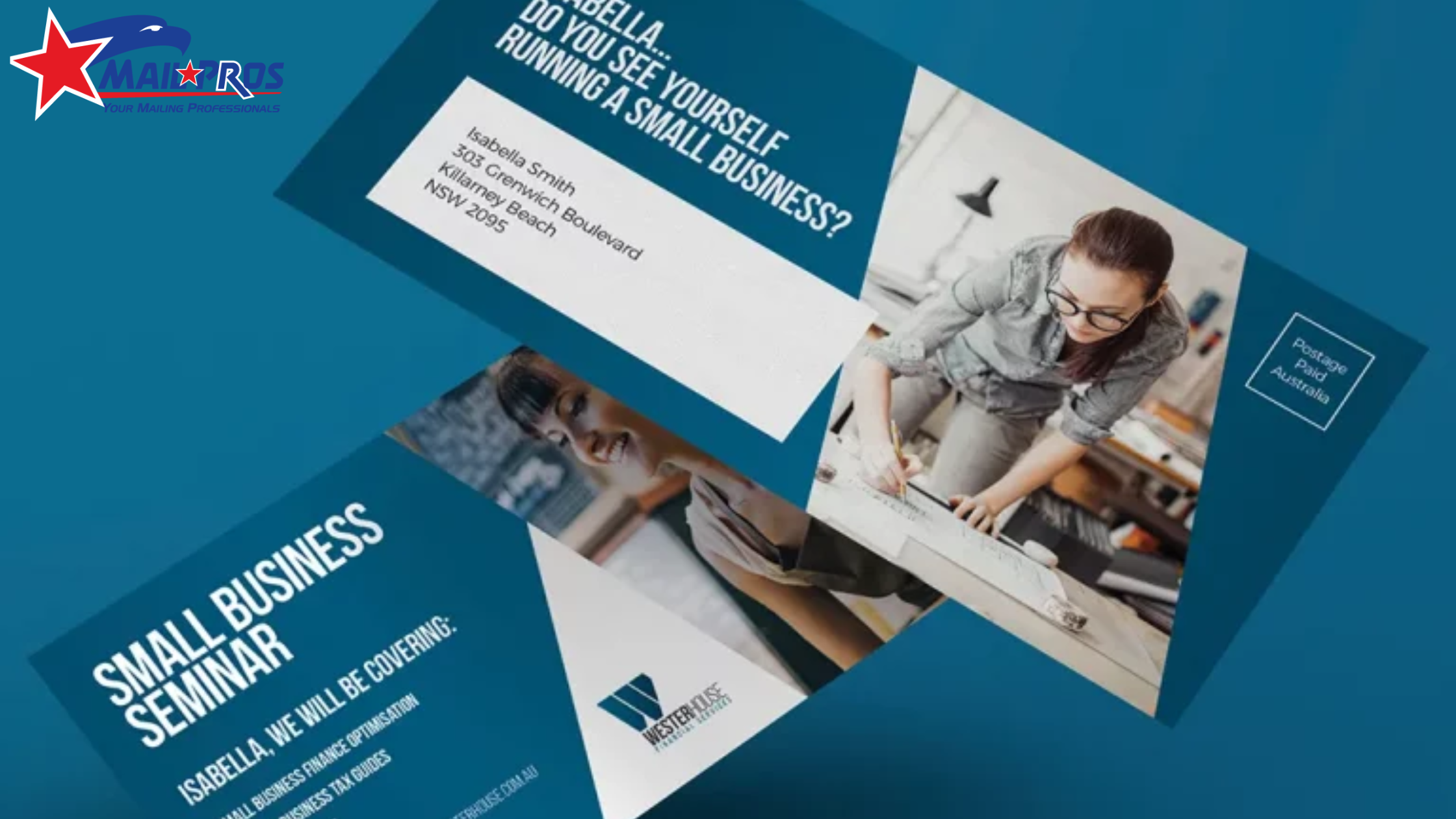
Avoiding Costly Technical Errors
There is a practical side to brand awareness: your mail needs to actually arrive looking good. I cannot tell you how many times I have seen DIY designs where the text is too close to the edge, resulting in it being chopped off during cutting, or where the resolution is so low that the logo looks pixelated.
Professional services understand “bleed,” “safe zones,” and postal regulations regarding aspect ratios. Nothing damages brand awareness faster than a mailer that arrives with a “Postage Due” stamp or looks like a printing error. By hiring experts, you are insuring your investment, guaranteeing that the piece representing your business arrives in pristine condition.
FAQs
How does design quality actually impact ROI?
It is the difference between being read and being tossed. Studies consistently show that high-quality paper and professional layout increase the “shelf life” of a mail piece. The longer a piece sits in the home, the higher the brand recall, and eventually, the higher the conversion rate.
Can’t I just use a free online design tool?
You can, but you risk “template fatigue.” Many free tools use the same stock assets and layouts that your competitors are using. Furthermore, these tools often export in RGB (screen colors), which can result in muddy, dull colors when printed in CMYK. A professional ensures your brand colors hit the paper exactly as intended.
How often should I mail to build brand awareness?
Consistency is key. We usually recommend the “Rule of 7″—a customer needs to see your brand roughly seven times before they take action. A professional designer can create a campaign series where each piece looks different but feels part of the same family, keeping the brand fresh without being repetitive.
What is the most important element on a postcard?
While the offer is crucial, the headline and hero image are what grab attention. A professional designer uses “visual hierarchy” to ensure the eye sees the headline first, then the image, then the offer. If all text is the same size, the reader gets overwhelmed and stops reading.
Conclusion
Brand awareness is not built overnight; it is built one impression at a time. Every piece of mail you send is a representative of your company. If it is dressed for success, your company looks successful. If it looks thrown together, customers will assume your work is too.
Investing in professional direct mail design is an investment in your company’s reputation. It ensures that when your neighbors or prospects think of your industry, your clear, professional, and memorable brand is the first one that comes to mind. If you are looking for more insights on how to grow your business through print, be sure to check out our Blog for strategies that work in the real world.