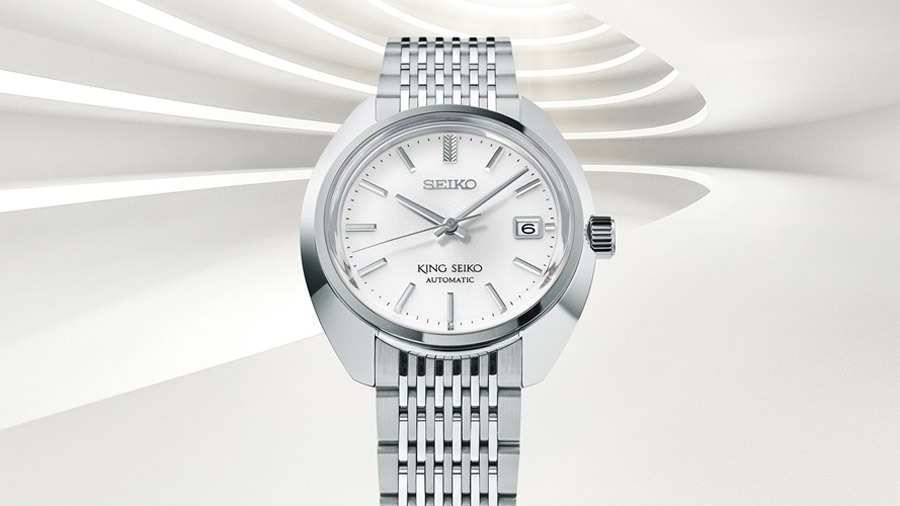

Luxury watches are often associated with Swiss brands, but Japan has produced some of the finest timepieces in the world. Among them, King Seiko stands out as a symbol of precision, elegance, and craftsmanship. This legendary collection represents Seiko’s pursuit of perfection and its desire to compete with the best luxury watches globally.
This detailed guide explores the history, design philosophy, movements, popular models, modern revival, and buying tips related to this iconic watch line. Whether you are a collector, enthusiast, or first-time buyer, this article will help you understand why this collection holds a special place in horological history.
Introduction to King Seiko
In the world of fine watchmaking, Japanese craftsmanship has earned immense respect. While Seiko is globally known for innovation and reliability, its premium collections reflect a deeper dedication to artistry. One such collection is King Seiko, a name that represents excellence, durability, and refined aesthetics.
Originally created to rival luxury Swiss timepieces, this collection was built with meticulous attention to detail. From precision movements to beautifully polished cases, these watches were designed to meet the highest standards of performance and elegance.
The Origin and History of King Seiko
The story of King Seiko began in the early 1960s, during a time when Japanese watchmakers aimed to prove their superiority in precision and quality.
Birth of a Prestige Line
-
Introduced by the Daini Seikosha factory
-
Designed to compete with Swiss chronometers
-
Focused on mechanical accuracy and craftsmanship
At the same time, another high-end line was being developed by a different Seiko factory, creating healthy internal competition that pushed innovation further.
Growth Through the 1960s and 1970s
During this era, the brand refined:
-
Mechanical movements
-
Case finishing techniques
-
Dial designs inspired by minimalism
These watches gained recognition for their accuracy and elegant design, becoming highly respected among collectors.
Design Philosophy Behind King Seiko
The design approach of King Seiko focuses on clarity, balance, and timeless appeal. Every element is carefully crafted to enhance both form and function.
Key Design Elements
-
Sharp case lines with mirror polishing
-
Clean, legible dials
-
Applied hour markers for depth
-
Slim profiles for comfortable wear
The design avoids unnecessary decoration, relying instead on precision and proportion.
Case Construction and Finishing
One of the defining features of King Seiko watches is the exceptional quality of case finishing.
Zaratsu Polishing
-
Produces distortion-free mirror surfaces
-
Enhances light reflection
-
Gives the watch a luxury appearance
This polishing technique is time-consuming and requires skilled craftsmanship, making it a standout feature.
Dial Details and Legibility
Dial design plays a crucial role in the identity of King Seiko.
Dial Characteristics
-
Minimalist layout
-
High-contrast markers
-
Sunburst or textured finishes
-
Date window integrated cleanly
The focus remains on readability without compromising elegance.
Movements Used in King Seiko Watches
Precision is at the heart of King Seiko, and its movements reflect that commitment.
Mechanical Excellence
-
Hand-wound and automatic movements
-
Tight tolerance levels
-
Reliable power reserves
-
Smooth sweeping seconds hand
These movements were engineered for accuracy and longevity, often outperforming competitors in their class.
Accuracy Standards and Performance
Historically, King Seiko watches were regulated to very strict standards.
Performance Highlights
-
Daily deviation kept minimal
-
Consistent timekeeping
-
Strong resistance to wear
This focus on performance helped establish the collection as a serious contender in luxury watchmaking.
Popular Vintage King Seiko Models
Vintage models are highly sought after by collectors worldwide.
Notable References
-
44KS series
-
45KS high-beat models
-
Chronometer-certified editions
Each model reflects a different era of design and mechanical advancement.
The Hi-Beat Era
The introduction of high-frequency movements marked a turning point.
Why Hi-Beat Matters
-
Increased accuracy
-
Smoother second-hand motion
-
Enhanced mechanical stability
These innovations elevated the reputation of King Seiko even further.
Decline and Temporary Discontinuation
Like many mechanical watch lines, King Seiko faced challenges during the quartz revolution.
Market Shift
-
Rise of quartz technology
-
Reduced demand for mechanical watches
-
Focus shifted to mass-market models
As a result, the line was discontinued for several decades.
The Modern Revival of King Seiko
The revival of King Seiko brought renewed interest and appreciation.
What Changed
-
Modern manufacturing techniques
-
Updated movements
-
Retained classic design DNA
The revival successfully blended tradition with contemporary standards.
Modern King Seiko Models
Today’s collection offers:
-
Automatic movements
-
Sapphire crystals
-
Improved water resistance
-
Heritage-inspired cases
These updates ensure relevance without losing identity.
Comparison with Grand Seiko
Many enthusiasts compare King Seiko with Grand Seiko.
Key Differences
-
Grand Seiko focuses on ultra-premium finishing
-
King Seiko emphasizes heritage and classic elegance
-
Price positioning is more accessible
Both lines represent excellence but cater to slightly different audiences.
Materials and Build Quality
High-quality materials are central to King Seiko watches.
Common Materials
-
Stainless steel cases
-
High-grade sapphire crystals
-
Solid bracelets with secure clasps
Durability and comfort are always prioritized.
Wearing Experience
The wearing experience of King Seiko is refined and comfortable.
Comfort Factors
-
Balanced case weight
-
Slim profile
-
Smooth bracelet articulation
These watches are suitable for both formal and casual wear.
Collectability and Investment Value
Collectors value King Seiko for its heritage and craftsmanship.
Why Collectors Love It
-
Limited production numbers
-
Historical significance
-
Strong resale value
Vintage models, in particular, continue to appreciate over time.
How to Identify an Authentic King Seiko
Authenticity is essential when purchasing.
Key Authentication Tips
-
Check reference numbers
-
Inspect movement engravings
-
Verify dial printing quality
-
Buy from trusted sellers
Doing proper research helps avoid counterfeit pieces.
Maintenance and Servicing
Regular maintenance ensures longevity.
Care Tips
-
Service every 3–5 years
-
Avoid strong magnetic fields
-
Store properly when not in use
Proper care preserves both performance and value.
Styling and Versatility
One reason for the popularity of King Seiko is versatility.
Suitable Occasions
-
Business meetings
-
Formal events
-
Daily professional wear
Its understated elegance makes it adaptable.
Who Should Buy King Seiko?
This collection is ideal for:
-
Watch enthusiasts
-
Collectors seeking heritage pieces
-
Professionals wanting refined elegance
-
Buyers who value craftsmanship over branding hype
Buying Guide: Things to Consider
Before buying King Seiko, consider:
-
Vintage vs modern models
-
Budget range
-
Movement preference
-
Intended usage
Taking time to research ensures satisfaction.
Price Range Overview
Prices vary depending on condition and model.
General Pricing
-
Vintage models: higher collector value
-
Modern reissues: mid-to-high luxury range
The price reflects quality and heritage.
Why King Seiko Still Matters Today
Despite competition, King Seiko remains relevant.
Enduring Appeal
-
Timeless design
-
Mechanical integrity
-
Japanese craftsmanship
-
Historical prestige
It continues to attract both seasoned collectors and new enthusiasts.
Final Thoughts
King Seiko represents more than just a watch—it embodies a philosophy of precision, elegance, and dedication to excellence. From its origins in the 1960s to its modern revival, this iconic collection continues to showcase why Japanese watchmaking deserves global recognition.
For those seeking a refined, historically rich timepiece with lasting value, this collection remains a compelling choice.