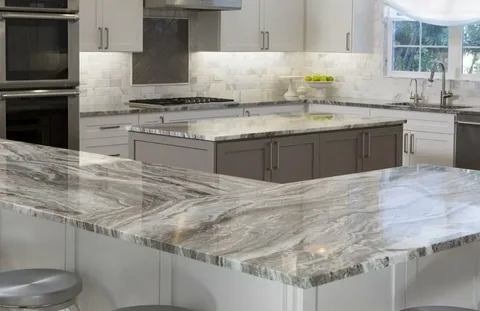

Renovating a kitchen is an exciting journey for any homeowner in Columbus, OH. You spend weeks looking at magazines. You scroll through endless design feeds. Finally, you decide on granite. It is durable, beautiful, and adds instant value. But choosing the right slab is not as simple as picking a color.
Many people rush the process. They make small errors that lead to big regrets later. Granite is a natural product, which means every piece is unique. This is part of its charm. However, it also means there are many variables to manage. From the pattern to the porosity, you have a lot to consider.
In this guide, we will look at common pitfalls. We want your Columbus home to look its best. Avoiding these mistakes will save you time and money. It will also ensure you love your kitchen for decades.
Don’t Rely Only on Tiny Samples
One of the biggest errors is choosing stone from a small 4-inch square. Granite is a natural stone from the earth. A tiny sample cannot show the full range of colors. It cannot show the dramatic veining that might appear in the middle of a slab.
In many Central Ohio homes, the kitchen is the heart of the house. You need a stone that fits the whole room. Many homeowners are looking for a sleek, updated aesthetic. They often choose modern granite countertops to create a fresh feel in their space. If you only look at a sample, you might miss a large spot of rust or gold.
Always visit the stone yard in person. Walk through the aisles. Look at the full slabs under natural light. This is the only way to see the true movement of the stone. To ensure you find the right fit, learn more about the different types of stone available locally. Seeing the full picture prevents a nasty surprise on installation day.
Forgetting to Consider Your Lifestyle
Granite is tough, but it is not indestructible. Some slabs are more porous than others. If you have a busy family in a neighborhood like Dublin or Westerville, think about your daily routine. Do you cook every night? Do you have kids who spill grape juice?
Light-colored granites often show stains more easily. Darker stones can be more dense, but they might show fingerprints. You must balance the look you want with the work you are willing to do. If you want a “set it and forget it” surface, look for a stone with a tight grain.
Ask your fabricator about the stone’s absorption rate. A beautiful stone is useless if it stains the first week. You want a surface that works for you, not the other way around.
Getting Blinded by the Initial Quote
Budgeting is the hardest part of any remodel. Many people only look at the cost of the raw material. This leads to a major “sticker shock” later. When you ask about the price for granite countertops, you must remember it involves many factors.
The total cost includes the slab, but also the labor. You have to pay for the template, the cutting, and the edging. Some stones are harder to cut than others. Rare colors from overseas will cost more than local favorites.
Don’t forget the “hidden” costs. These include sink cutouts and cooktop holes. In Columbus, professional installation is a must for insurance and warranty reasons. If a quote seems too good to be true, it probably is. Always get an all-inclusive estimate before you sign any contracts.
Choosing the Wrong Finish for the Room
Most people think granite is always shiny and polished. While that is a classic look, it isn’t the only option. Choosing the wrong finish can change the entire vibe of your kitchen.
A polished finish is great for reflecting light. It makes a small kitchen feel larger. However, it also shows every water spot and crumb. A “honed” finish is matte and smooth. It feels more organic and soft. Then there is “leathered” granite. This has a textured feel that hides smudges beautifully.
Think about the lighting in your Ohio home. Do you have big windows? If so, a high-gloss finish might create too much glare. A matte finish might be better for a cozy, rustic kitchen in Clintonville. Match the finish to the function of the room.
Skipping the Template Appointment
The template is the blueprint for your counters. A professional comes to your home and measures everything. They use wood strips or laser scanners to get every angle right.
A common mistake is not being home for this appointment. You need to be there to answer questions. Where do you want the seams? How far should the stone overhang the cabinets? If you aren’t there, the fabricator has to guess.
Once the stone is cut, there is no going back. Granite is not like wood; you can’t just sand it down and try again. Make sure your cabinets are fully installed before the template is made. Even a quarter-inch shift can ruin the fit.
Ignoring the Seam Placement
Unless you have a very small kitchen, your counters will have seams. This is where two pieces of stone meet. Many people forget to ask where these seams will be. A bad seam can ruin a beautiful slab. It might cut right through a major vein in the stone. You want the seams to be as invisible as possible. This is why many homeowners choose a highly-rated Granite Countertop Specialist in Columbus, OH to handle the layout. They know how to hide seams near sinks or in corners. Ask to see a “digital layout” if they offer it. This shows exactly how the pattern will line up at the joints. Getting a quality countertop selection means paying attention to these small details. A little planning here makes the finished product look like one continuous piece of art.
The Weight of the Stone
Granite is incredibly heavy. A standard slab can weigh over a thousand pounds. Many DIY enthusiasts think they can pick up a piece and install it themselves. This is a dangerous mistake.
If the stone is handled incorrectly, it can crack. Even worse, it can cause serious injury. Your cabinets must also be strong enough to support the weight. In older Columbus homes, floors or cabinets might need extra bracing.
Professional installers use specialized tools. They have carts, suction cups, and leveling kits. They also know how to seal the joints so they don’t leak. Saving a few dollars on DIY is not worth the risk of breaking a $3,000 slab of stone.
Forgetting to Coordinate with the Backsplash
Your counters do not exist in a vacuum. They sit right next to your backsplash and cabinets. Many homeowners pick a busy granite and a busy backsplash. This makes the kitchen feel chaotic and loud.
If your granite has a lot of movement and veins, keep the backsplash simple. If you choose a solid, consistent stone, you can go bold with the wall tile. Bring your cabinet and flooring samples to the stone yard. Hold them up against the slab.
The lighting in a showroom is different from the lighting in your home. If possible, ask for a small scrap of the stone to take home. See how it looks at night and during the day. This prevents a color clash that you’ll have to see every morning.
Neglecting the Sink Selection
You must choose your sink before the stone is cut. The type of sink you pick changes the fabrication process. An undermount sink requires a polished edge inside the cutout. A drop-in sink covers the edge.
Many people try to reuse an old sink with new granite. This is usually a bad idea. If the old sink fails later, it is very hard to replace it without damaging the stone.
Buy a high-quality sink that will last as long as the granite. Make sure the fabricator has the sink (or the template) before they start cutting. Also, think about the faucet holes. You need to decide how many holes to drill for the soap dispenser or sprayer.
Thinking All Sealers Are Permanent
A major myth is that granite never needs maintenance. Most granite requires a sealer to stay stain-resistant. Some high-end stones come pre-sealed, but most do not.
Avoid the mistake of assuming the seal lasts forever. You should test your stone every year. Put a few drops of water on the surface. If the water beads up, you are safe. If it soaks in and leaves a dark spot, it is time to reseal.
Sealing is a simple task you can do yourself. It takes about 30 minutes. Ignoring this can lead to oil or wine stains that are permanent. Treat your stone well, and it will stay beautiful for a lifetime.
Summary of Best Practices
Choosing granite is a big investment. It is a way to bring a piece of nature into your home. To get the best results in Columbus, OH, keep these tips in mind:
- See the full slab: Never buy from a sample alone.
- Check the lighting: Stone looks different in your kitchen than in a warehouse.
- Trust the pros: Granite is too heavy and expensive for amateur mistakes.
- Plan the seams: Know where the joints will be before the first cut.
- Match your lifestyle: Choose a finish and color that fits your daily mess.
By avoiding these common errors, you will end up with a kitchen that is both functional and stunning.
Frequently Asked Questions
Is granite better than quartz for a kitchen?
Both are great. Granite is 100% natural and heat-resistant. Quartz is engineered and does not need sealing. Most people choose based on the specific look they prefer.
How often should I seal my granite counters?
Usually, once every 12 to 18 months. It depends on the stone’s color and how much you use the kitchen. The water drop test is the best way to tell.
Can I cut directly on a granite surface?
Granite is very hard and won’t scratch easily. However, cutting on it will dull your knives quickly. It is always better to use a cutting board.
What is the best way to clean granite?
Use warm water and mild dish soap. Avoid harsh chemicals like bleach or vinegar. These can eat away at the sealer over time.
Does granite increase home value in Columbus?
Yes! Most buyers in Central Ohio look for natural stone. It is considered a premium feature that helps a home sell faster.