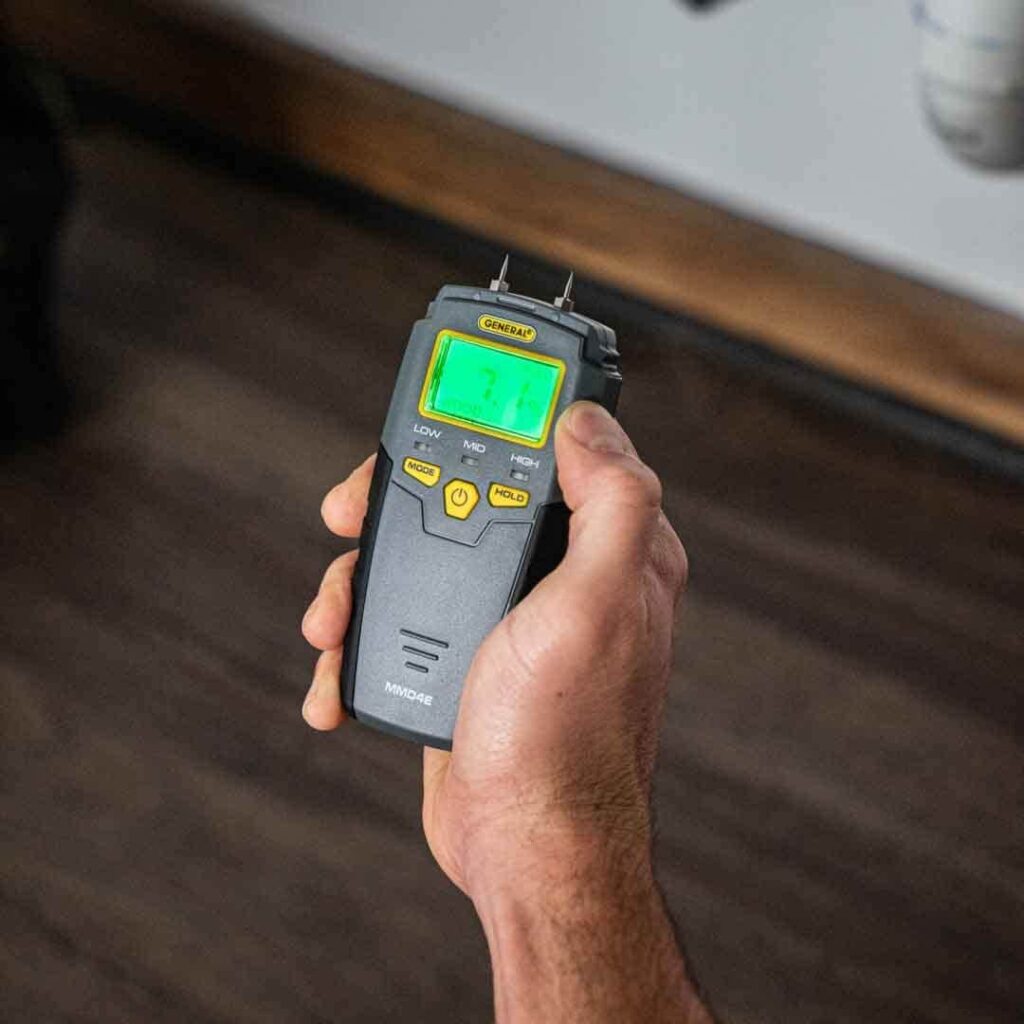

Moisture meters are essential instruments used across a wide range of industries—from construction and agriculture to manufacturing and HVAC systems. Their primary purpose is to measure the moisture content of materials, ensuring product quality, preventing structural failures, and maintaining safety standards. Whether you’re checking moisture levels in wood, concrete, grain, packaging materials, or industrial gases, choosing the right moisture meter can dramatically improve your operational efficiency. This comprehensive article explores what moisture meters are, how they work, the different types available, their key applications, and what to look for when purchasing one.
What Is a Moisture Meter?
A moisture meter is a specialised device designed to measure the amount of moisture contained within a material. Depending on its design and purpose, it can measure moisture through electrical resistance, capacitance, infrared radiation, or dew point analysis. By detecting moisture levels accurately, the device helps users make informed decisions, reduce waste, and maintain the structural integrity of various materials.
Many industries depend heavily on moisture control. For instance, woodworkers prevent warping and cracking by checking the moisture of lumber. Farmers monitor grains to prevent spoilage. Industrial manufacturers rely on moisture measurement to ensure the purity of gases, chemicals, and production environments. With the right moisture meter, moisture-related risks can be significantly reduced.
How Moisture Meters Work
Moisture meters function using different technologies, depending on the type. Some of the most common moisture measurement principles include:
1. Electrical Resistance
Pin-type moisture meters use two sharp probes that penetrate the material. When electricity is passed between the probes, moisture alters electrical resistance. The meter then translates this resistance into a moisture percentage. These meters are extremely effective for wood, drywall, and building materials.
2. Capacitance (Pinless Technology)
Pinless moisture meters use electromagnetic signals to scan the material without causing surface damage. They measure changes in dielectric properties caused by moisture. These are ideal for flooring, tiles, and materials where aesthetics matter.
3. Infrared & Thermal Methods
Advanced moisture meters use infrared sensors to detect temperature changes associated with moisture presence. These are commonly used in building inspections and leak detection.
4. Dew Point and Humidity-Based Measurement
In industrial applications—such as compressed air systems, cleanrooms, or gas pipelines—moisture meters operate based on dew point measurement. Devices like dew point transmitters or hygrometers provide highly accurate readings in °C dew point or ppmv moisture content. These are essential for sensitive industrial processes.
Each technology has its own advantages depending on the material, budget, and level of accuracy required.
Types of Moisture Meters
1. Pin-Type Moisture Meters
These meters penetrate the material using metal pins. They are ideal for measuring moisture deep inside wood, walls, and insulation. Their readings are extremely accurate but do cause minor surface damage.
2. Pinless Moisture Meters
Non-invasive and quick, these devices scan moisture using radio waves. They’re perfect for flooring contractors, home inspectors, and restoration experts.
3. Grain & Soil Moisture Meters
Agricultural moisture meters help farmers assess crop conditions, grain storage safety, and soil health.
4. Concrete Moisture Meters
Before installing flooring or carpets, contractors use concrete moisture meters to ensure slabs are dry enough. These tools prevent blistering, peeling, and mould formation.
5. Industrial Moisture Meters
These include dew point sensors, trace moisture analysers, and humidity transmitters used in industrial gas processing, HVAC systems, and manufacturing environments.
6. Portable Hygrometers
These handheld devices measure humidity levels in the air and are widely used in HVAC, storage facilities, and laboratories.
Each type is designed with specific features and accuracy levels to cater to different industry needs.
Applications of Moisture Meters
Moisture meters are used in almost every technical, industrial, and commercial field. Some major applications include:
Construction & Building Inspection
Inspectors use moisture meters to detect dampness in walls, roofs, floors, and basements. This helps identify leaks, mould risks, and structural weaknesses.
Woodworking & Lumber Industry
Measuring moisture in wood is crucial to prevent warping, splitting, and shrinkage. Wood moisture meters help artisans, carpenters, and furniture manufacturers maintain quality.
Flooring Installation
Moisture meters ensure flooring materials like vinyl, laminate, and hardwood are installed on moisture-safe foundations.
Agriculture & Grain Storage
Moisture meters protect crops from spoilage and fungal growth. Farmers measure grain moisture before storage, transport, and processing.
HVAC & Environmental Monitoring
Humidity levels directly impact indoor air quality. HVAC professionals use moisture meters to optimise humidity levels and prevent condensation.
Industrial Gas Monitoring
In high-spec manufacturing processes, trace moisture levels in gases can cause contamination. Dew point meters and moisture analysers ensure purity and efficiency.
Benefits of Using a Moisture Meter
Using a moisture meter provides several advantages to professionals across industries:
- Prevents structural damage
- Ensures product quality
- Avoids costly repairs
- Supports compliance with industrial standards
- Enhances safety in workplaces
- Improves process efficiency
- Reduces waste and spoilage
These devices offer high ROI through accurate moisture monitoring and timely intervention.
Key Features to Look for When Buying a Moisture Meter
When choosing a moisture meter, consider the following factors:
Measurement Range
Ensure the device covers the moisture percentage or dew point range required for your application.
Accuracy
Industrial applications require extremely high accuracy (e.g., ±1°C dew point). Construction work may tolerate slightly wider margins.
Material Compatibility
Some meters are designed specifically for wood, while others work with concrete, soil, or industrial gases.
Display & User Interface
Backlit screens, digital readouts, and real-time graphs improve usability.
Durability & Build Quality
Choose a rugged, weather-resistant device for field applications.
Portability
Lightweight, handheld designs are ideal for technicians and inspectors.
Calibration Ability
Advanced meters allow user or factory calibration for continued accuracy.
Conclusion
A moisture meter is an indispensable tool for industries that rely on moisture control to maintain quality, safety, and performance standards. With various technologies available—pin-type, pinless, infrared, hygrometers, and dew point transmitters—there is a perfect instrument for every application. By understanding how moisture meters work and what features matter most, businesses and professionals can invest in the right device for efficient, reliable moisture measurement.