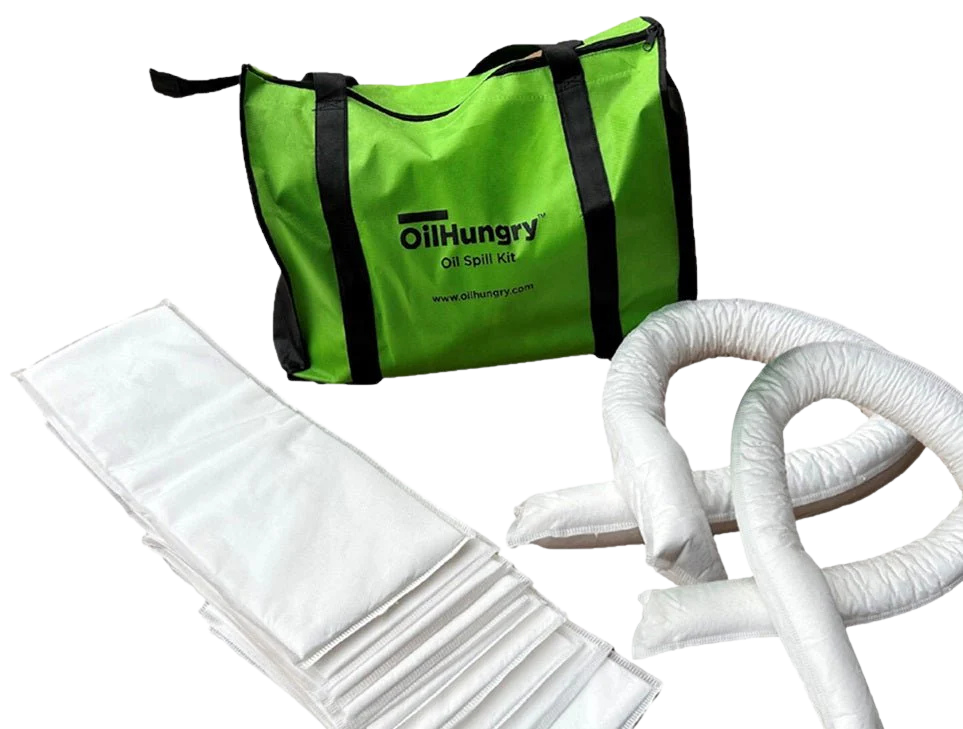

Oil spills, whether on roads, construction sites, or industrial areas, can pose serious environmental hazards and safety risks. Quick containment and cleanup are essential to prevent accidents, protect the environment, and comply with safety regulations. This is where oil spill kits play a crucial role. From small leaks to large-scale incidents, these kits provide all the necessary tools to handle spills efficiently.
In this article, we’ll explore the types of oil spill kits, their uses, and why investing in high-quality kits like oil spill kits for trucks or an emergency oil spill kit is a smart choice for safety-conscious individuals and businesses.
What Are Oil Spill Kits?
An oil spill kit is a pre-assembled collection of absorbent materials and protective gear designed to quickly contain and clean oil spills. These kits typically include:
-
Absorbent pads and pillows
-
Absorbent socks for containment
-
Protective gloves and goggles
-
Disposal bags for used materials
The primary purpose of an oil spill kit is to reduce the risk of accidents, environmental contamination, and regulatory fines.
Types of Oil Spill Kits
Oil spill kits are designed for different scenarios, making it essential to choose the right type for your needs. The main categories include:
1. Standard Oil Spill Kits
These kits are suitable for general-purpose spill management. They typically contain absorbent pads, socks, and basic protective gear. Ideal for workshops, garages, or small industrial areas.
2. Oil Spill Kits for Trucks
For transportation businesses and logistics operators, oil spill kits for trucks are essential. These kits are compact, portable, and designed to handle spills on the road. Truck drivers can quickly address leaks from vehicles or transported machinery, ensuring safety and compliance with road safety regulations.
3. Emergency Oil Spill Kits
An emergency oil spill kit is built for urgent response situations. These kits often include larger quantities of absorbents and advanced protective gear, making them suitable for large spills or hazardous environments. Emergency kits are ideal for industries where oil usage is high, such as construction, shipping, or manufacturing.
Why Oil Spill Kits Are Important
Oil spills can occur unexpectedly and may lead to accidents, environmental damage, and legal liabilities. Having a properly equipped oil spill kit ensures you can act immediately. Key benefits include:
-
Rapid Response: Quick containment reduces the spread of oil and prevents accidents.
-
Safety: Protective equipment in the kit shields workers from harmful exposure.
-
Regulatory Compliance: Many jurisdictions require oil spill preparedness, especially for trucks and industrial facilities.
-
Environmental Protection: Proper cleanup minimizes contamination of soil and water.
Features to Look for in an Oil Spill Kit
Not all oil spill kits are created equal. When selecting a kit, consider the following:
-
Absorbent Capacity: Ensure the kit contains enough absorbent material for your expected spill volume.
-
Portability: Kits for trucks should be compact and easy to carry.
-
Protective Gear: Gloves, goggles, and disposal bags are essential for safe handling.
-
Refillable Components: Some kits allow you to replace used absorbents, making them cost-effective.
How to Use Oil Spill Kits
Using an oil spill kit effectively involves a few simple steps:
-
Assess the Spill: Determine the size and type of oil spill.
-
Contain the Spill: Use absorbent socks or booms to prevent spreading.
-
Absorb the Oil: Place pads and pillows over the spill to soak it up.
-
Dispose Safely: Put used materials in disposal bags and follow local disposal regulations.
-
Restock the Kit: Ensure the kit is ready for the next emergency.
By following these steps, businesses and individuals can manage spills safely and efficiently, whether on-site or during transit.
Applications of Oil Spill Kits
Oil spill kits are versatile and used across various industries:
-
Transportation: Truck drivers can keep oil spill kits for trucks to manage leaks on the road.
-
Industrial Sites: Factories and workshops use kits to maintain clean and safe working environments.
-
Emergency Response Teams: Firefighters and safety teams rely on emergency oil spill kits for rapid action.
-
Marine Operations: Oil spills in docks or near water bodies require specialized kits for containment.
Tips for Maintaining Oil Spill Kits
To ensure your oil spill kits remain effective:
-
Check the kit regularly for missing or damaged items.
-
Replace used absorbents promptly.
-
Train staff on proper usage and safety procedures.
-
Store kits in accessible locations for immediate response.Conclusion
Investing in quality oil spill kits, whether it’s an emergency oil spill kit or specialized oil spill kits for trucks, is essential for safety, compliance, and environmental protection. Quick response, proper containment, and efficient cleanup can prevent costly accidents and long-term damage.
By keeping a well-equipped oil spill kit on hand, you’re not just managing spills—you’re ensuring safety, efficiency, and peace of mind for your business or personal operations.