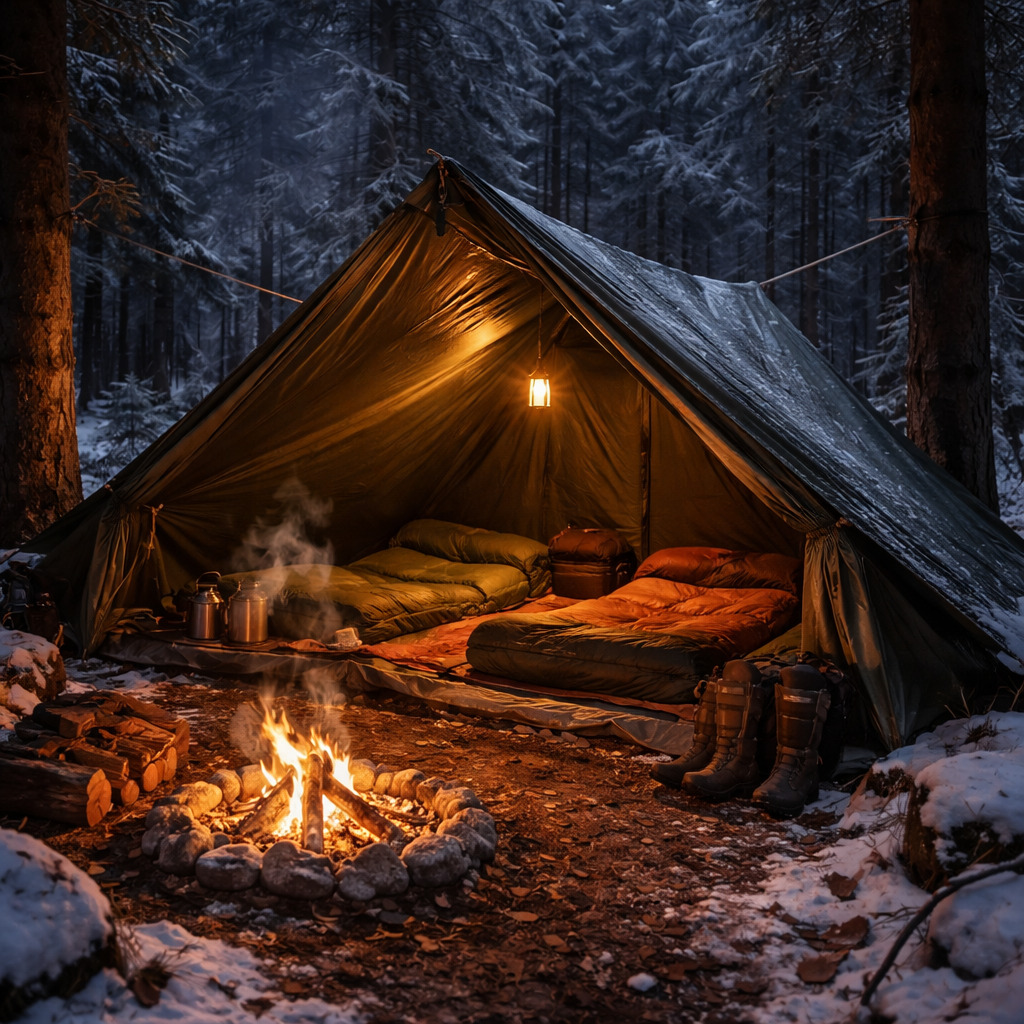

Staying warm inside a tarpaulin tent may seem difficult on frigid evenings, but employing the appropriate techniques renders it totally doable. Though a tarpaulin shelter might not offer the same insulation as a conventional camping tent, the proper arrangement and warmth-keeping techniques can make it pleasant. Many people like tarps for their low cost, hence, understanding how to maintain inside warmth is vital. Clarifies every approach in easy words so that you may stay warm in a Canvas Tarpaulin tent while camping, working outside, or spending a night in the wilderness.
The Nature of a Tarpaulin Tent
Usually constructed from materials like canvas tarpaulin or waterproof tarpaulin, a tarpaulin tent These items endure over time and resist weather. Although they offer defense against rain and wind, insulated tents do not trap heat in the same way. Heat exits quickly; the inside cools off faster. You can apply the appropriate techniques to trap heat inside once you grasp this.
Why Tarpaulin Tents Lose Heat Fast
Tarpaulin tents lose heat mostly because the fabric is lightweight and the construction occasionally has open sides or holes. Cold air may yet permeate even with a waterproof tarpaulin. Cold air replaces heat that air movement carries away. One of the most crucial activities to stay warm yet retain safe ventilation is control of airflow. Good ventilation is still vital, but extra gaps let heat escape.
Choosing the Right Type of Tarpaulin for Warmth
Although all tarps offer protection, certain materials hold warmth better than others. Many times, canvas tarpaulin is preferred because it is thick and breathable. Compared to thin plastic tarps, which let cold air to flow, it traps more heat. Waterproof tarp helps your body keep warmth by preventing moisture from getting in. Selecting the right size is also important since a smaller tent heats up quicker than a larger open one.
Preparing the Ground for a Warmer Shelter
Heat absorbs rapidly and makes you feel cold on the ground within a tarpaulin tent. Soil, stones, and grass take heat from your body. Staying warm depends on properly preparing the ground since cold floors may draw away your body heat even if you wear warm apparel.
Creating Insulation Under Your Sleeping Area
Layering items between the ground and your sleeping area allows you to insulate yourself. Using dry leaves, pine needles, or straw is great if no camping equipment is on hand. Synthetic mats or thick blankets keep warmth from going down in cold temperatures. Because it lowers conductive heat loss, this easy preparation greatly changes things. People sometimes sense warmth more quickly after the ground insulation is finished.
Avoiding Moisture Inside the Tent
Cold nights are brought on more by humidity than anything else. Even a tiny drop of water makes the resting area unpleasant. Waterproof Tarpaulin keeps rain off. Having extra layers under your sleeping area or a groundsheet helps to keep the area dry. Being dry helps you stay warm right away. Keeping moisture away makes it simpler to retain warmth.
Adjusting the Tarpaulin Structure for Warmth
Inside temperature depends mostly on how you set up the tarpaulin tent. A tight and secure structure lowers cold drafts; a badly situated tarp lets wind readily flow in. Changing the arrangement according to the weather preserves warmth.
Tarpaulin for Lowering the Shelter During Cold Nights
Dropping the tarpaulin roof on chilly nights helps to catch warm air near you. The construction can be angled to prevent wind successfully. Tall shelters let warm air rise and escape. Reducing the height helps to keep the heat near your sleeping space.
Tarpaulin for Securing the Edges to Block Wind
If you do not fasten the tarpaulin edges to the ground, wind will rapidly remove heat. To stop air from entering, you may hold the bottom edges using logs, stones, or weighty objects. Tying the tarp firmly to poles also helps to stabilize the surface and lower heat loss. Full blocking is not advised since you still require ventilation, but shutting off superfluous gaps raises warmth.
Wearing the Right Clothing to Stay Warm
The initial barrier of protection is clothes. Bad clothes will have you shivering even with a well-placed shelter. Staying warm inside a tarpaulin tent depends on wearing the appropriate combination of clothing.
Layering Your Clothes Correctly
Layering keeps body warmth efficiently trapped. Between the layers, warm air becomes caught to provide insulation. The outer layer stops wind, the middle layer retains heat, and the bottom layer absorbs moisture. Your body stays warm even if the tarp loses some heat when these layers interact. When paired with lighter layers underneath, heavy coats feel better.
Tarpaulin for Keeping Feet, Hands, and Head Warm
The limbs are where your body loses heat the fastest. Warm gloves, a hat, and socks keep your body temperature well under control. Keeping these regions warm raises general comfort. The other of the body follows rapidly if these regions turn cold. Less heat is held by tarpaulin tents; therefore, it is even more important to safeguard extremities.
Managing Ventilation Without Losing Too Much Heat
Although it still is required, ventilation appears to be the polar opposite of warmth. Condensation builds inside the tarpaulin tent without fresh air, therefore lowering the inside temperature. Correct ventilation limits heat loss while still providing clean air.
Finding the Right Balance Between Airflow and Warmth
One little opening should be left for airflow; the other part of the tarpaulin should be closed. Place this opening away from heavy winds. Warm air travels upward and escapes through this region without losing much heat. Although many campers either close everything or open everything, balancing airflow keeps the tent dry and maintains warmth.
Preventing Carbon Buildup from Heat Sources
Should you use any heat source, ensure proper ventilation. Closed areas collect carbon monoxide fast, which constitutes a threat. Small fires need good ventilation as well. Though warmth is vital, safety always comes first.
Using Safe Heat Sources Inside the Tarpaulin Tent
Though they increase comfort in chilly conditions, you have to keep fire away from tarpaulin materials like waterproof tarpaulin and canvas tarpaulin. Tarps are not made to be close to fires; hence regulated heat sources remain the best option.
Tarpaulin for Choosing Safe Heating Options
Insulated hot water bottles, chemical heat packs, and battery-powered heaters offer safe warmth. Without generating fires, they warm the inside. Hot stones wrapped carefully release heat gradually for hours, therefore they may also be used. Too much danger arises from open campfires within a tarpaulin tent, thus flameless techniques are most appropriate.
Placing the Heat Source Correctly
Keep heat sources apart from the walls and tarp. Keep a little space to avoid risk. Wrap heat pads or hot water bottles to prevent burns. To maintain warmth, put them close to your core. Right heat dispersion enhances general temperature safely.
Keeping Your Sleeping Setup Warm
Your sleeping arrangement including your sleeping bag, blankets, and ground insulation helps to keep your warm. The system could keep you at ease even if the air feels chilly.
Choosing the Right Sleeping Bag
A cold-weather sleeping bag catches your body heat. Its insulation retains warm air inside such that the tarp feels cozy even with temperature changes. The cold outside less apparent when quality material within the sleeping bag keeps warmth. Read Best Blogs
Heating the Sleeping Bag Before Resting
A heat pack or hot water bottle inserted within a few minutes before sleeping can warm the sleeping bag. The warmth lingers longer once it spreads. Entering the sleeping bag makes it warm right now.
Maintaining Warmth Through the Night
Remaining warm demands habits that keep heat, not just about configuration.
Eating Warm Food Before Sleeping
Warm food raises body temperature by itself. Eating hot dinners or having warm beverages before bed keeps one warm. Staying warm calls energy from your body, therefore a hot meal helps it really well.
Tarpaulin for Staying Dry to Stay Warm
Wet clothing rapidly carries away body heat. Sleeping keeps your body warm by changing into dry clothing. Inside the tarp tent, dry conditions help to conserve heat and preserve comfort all through the night.
Frequently Asked Questions
Q: Can a Tarpaulin Tent Be Warm Enough for Winter?
With appropriate techniques, a tarp tent becomes warm. A pleasant setting is made by ground insulation, sharp edges, layering clothing, and safe heating. Canvas The thickness of Tarp contributes to its enhanced performance.
Q: Which kind of tarpaulin would offer greater warmth?
Because of its thickness, canvas tarp captures heat longer. Waterproof tarp keeps humidity out, hence preventing heat loss. Both are helpful depending on weather.
Q: Using heat within a tarp tent? Is it safe?
Yes, with regulated, flameless heat sources. Near tarps, open flames cause fire hazards. Always place safety front and foremost.